x
H
u
s
n
a
i
n
M
e
t
a
l
s


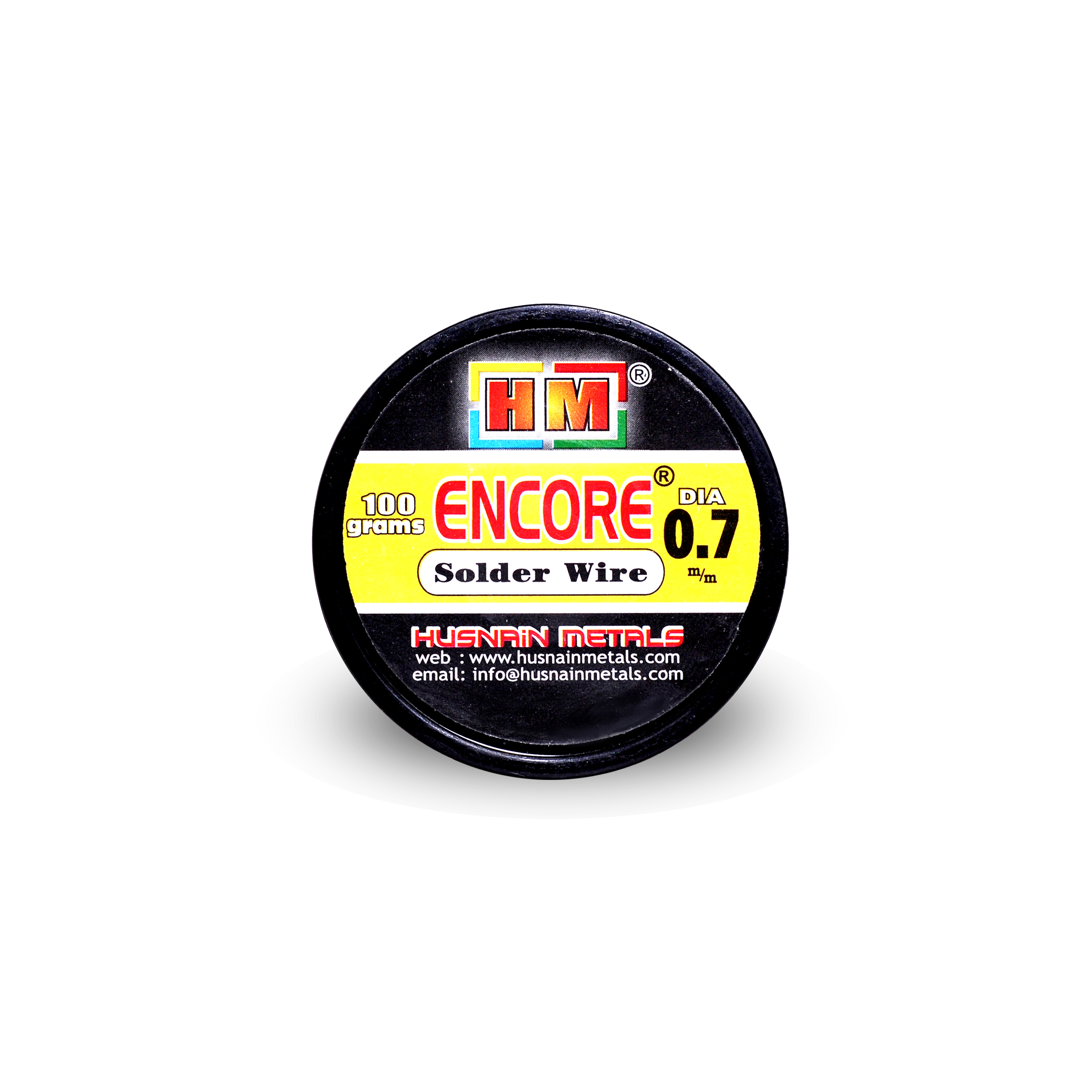
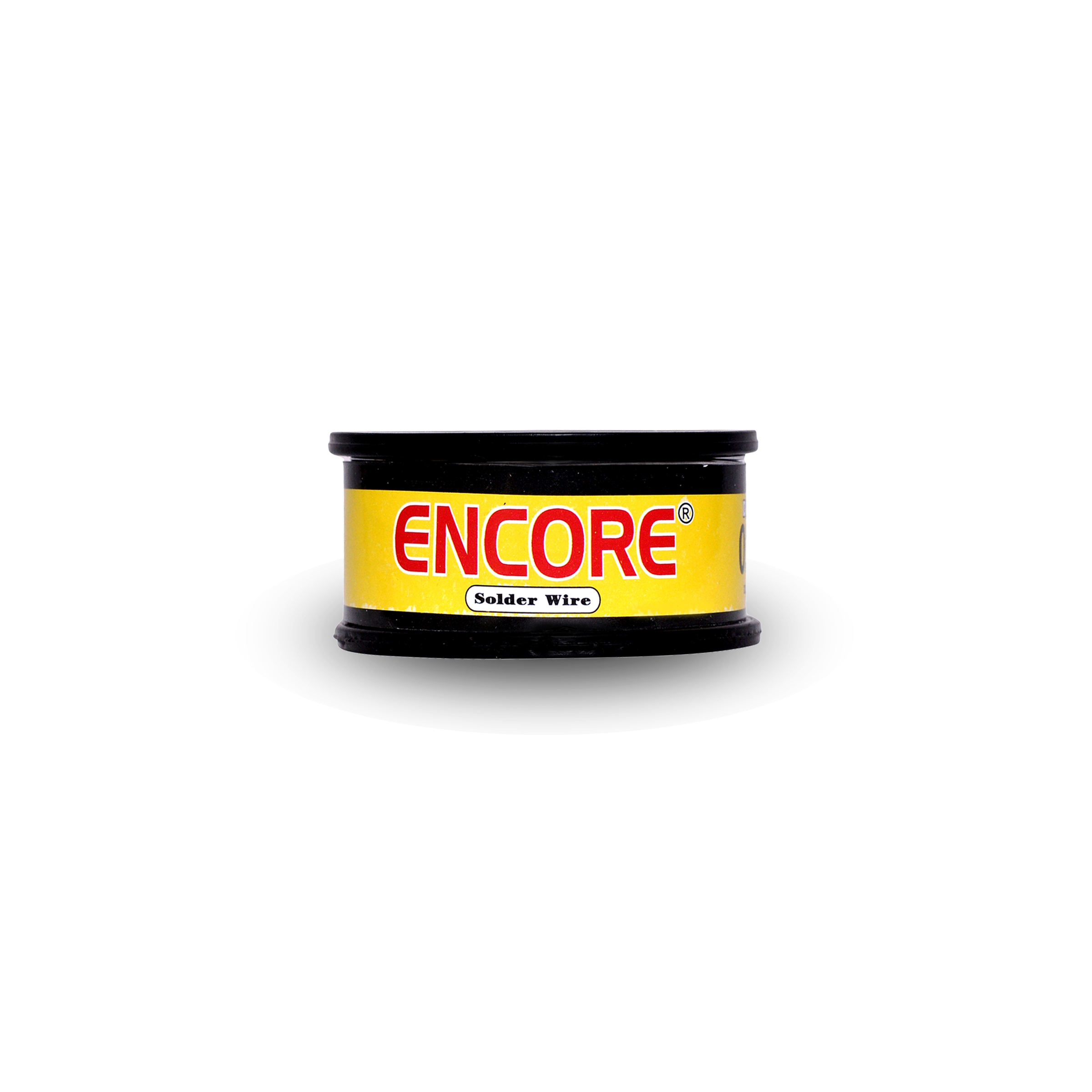
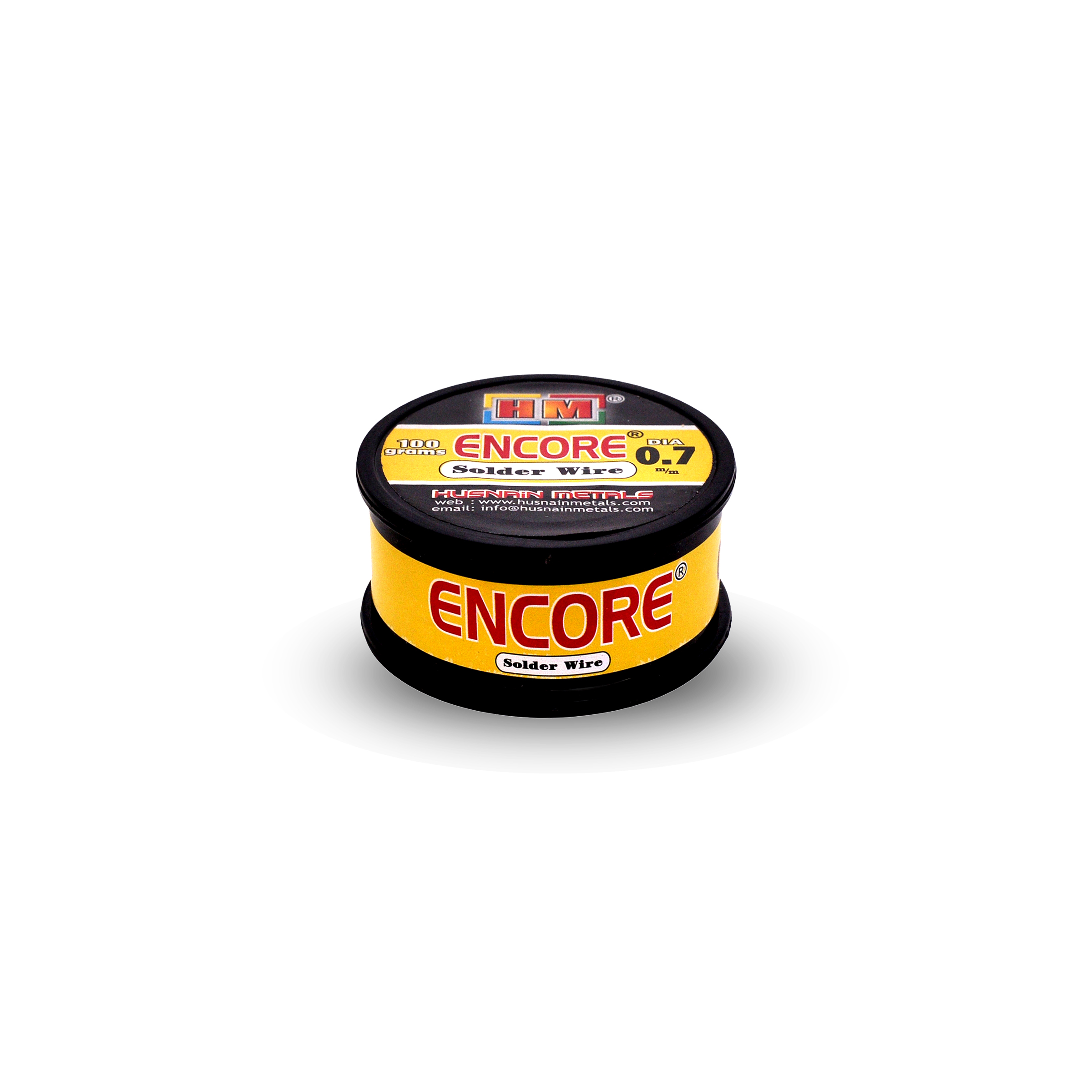
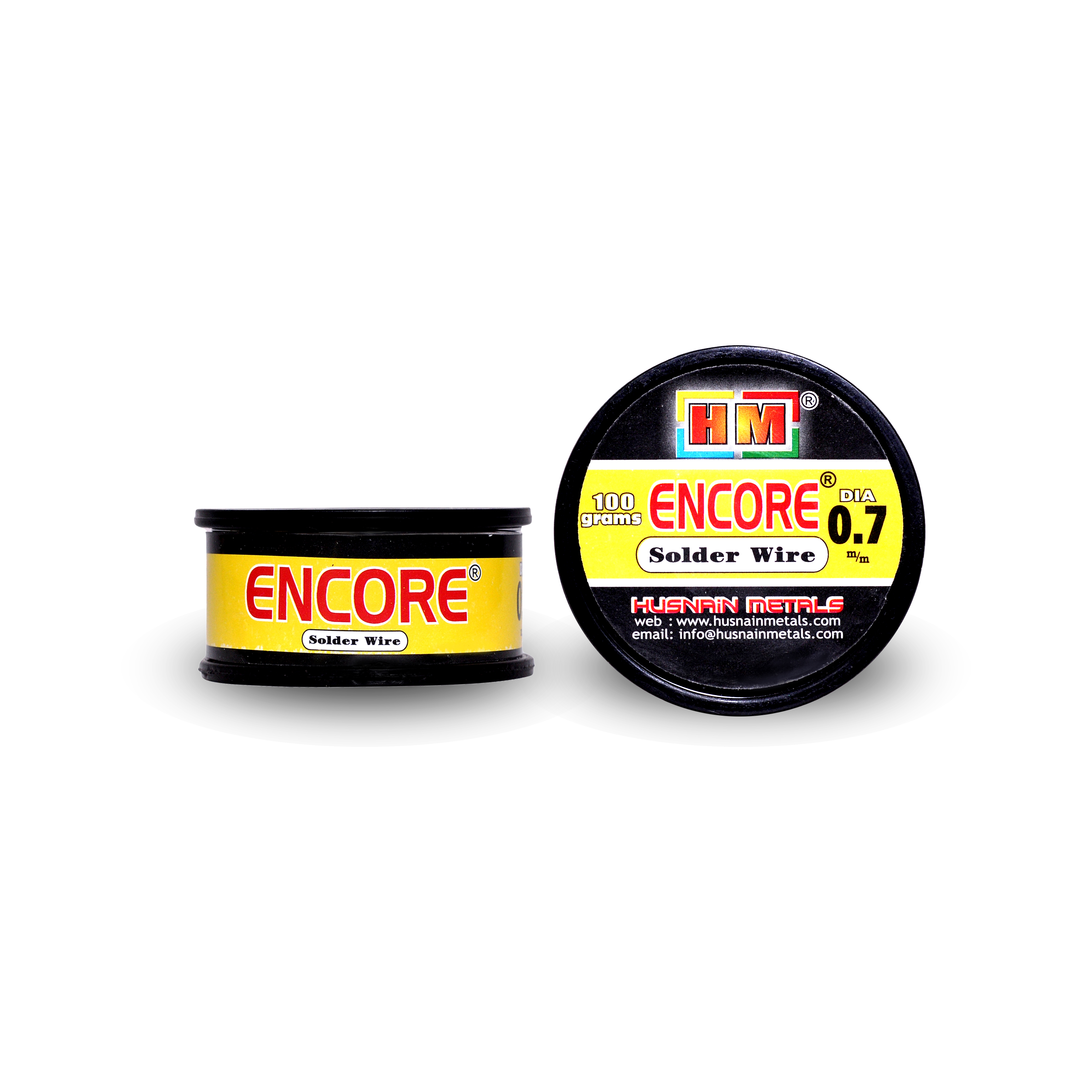
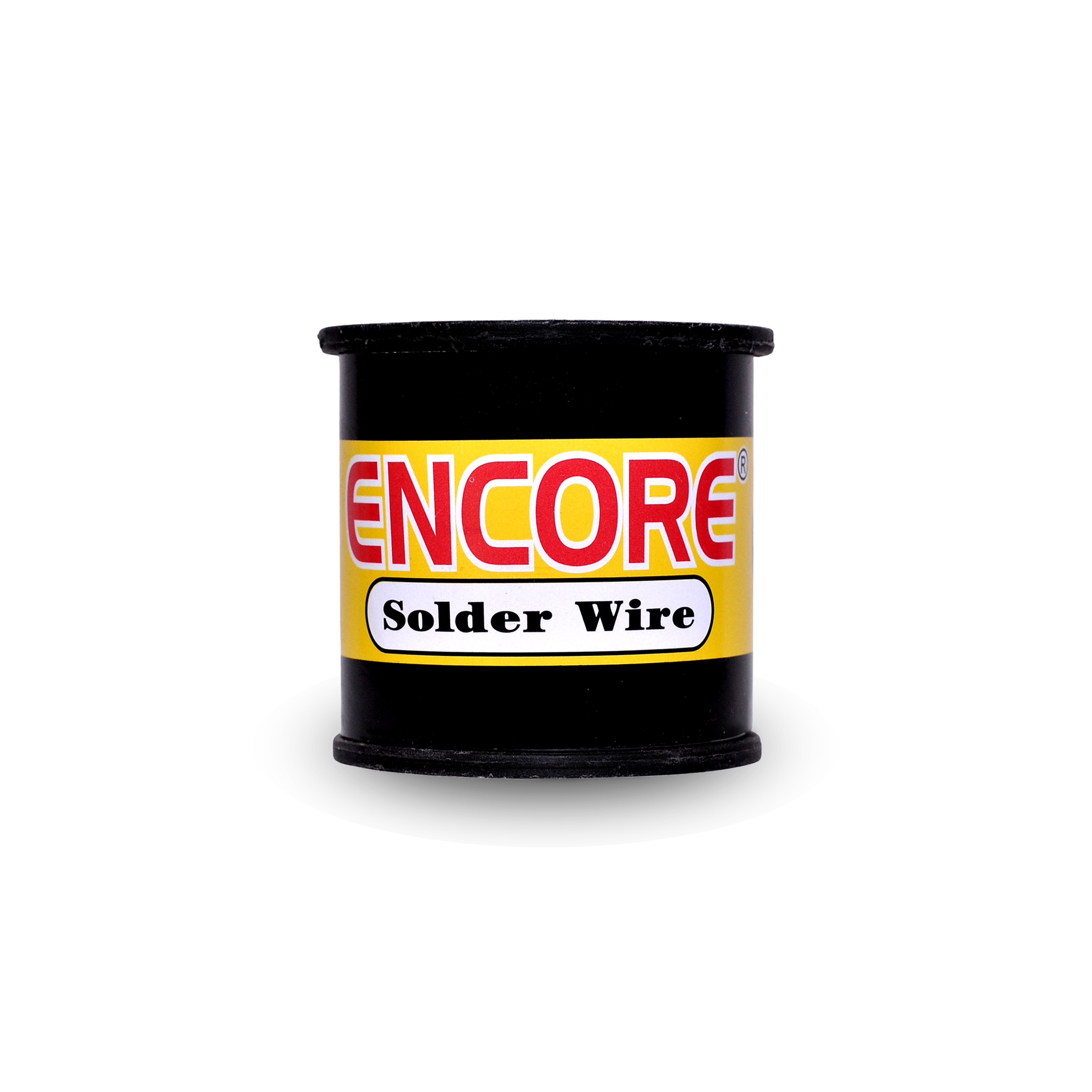
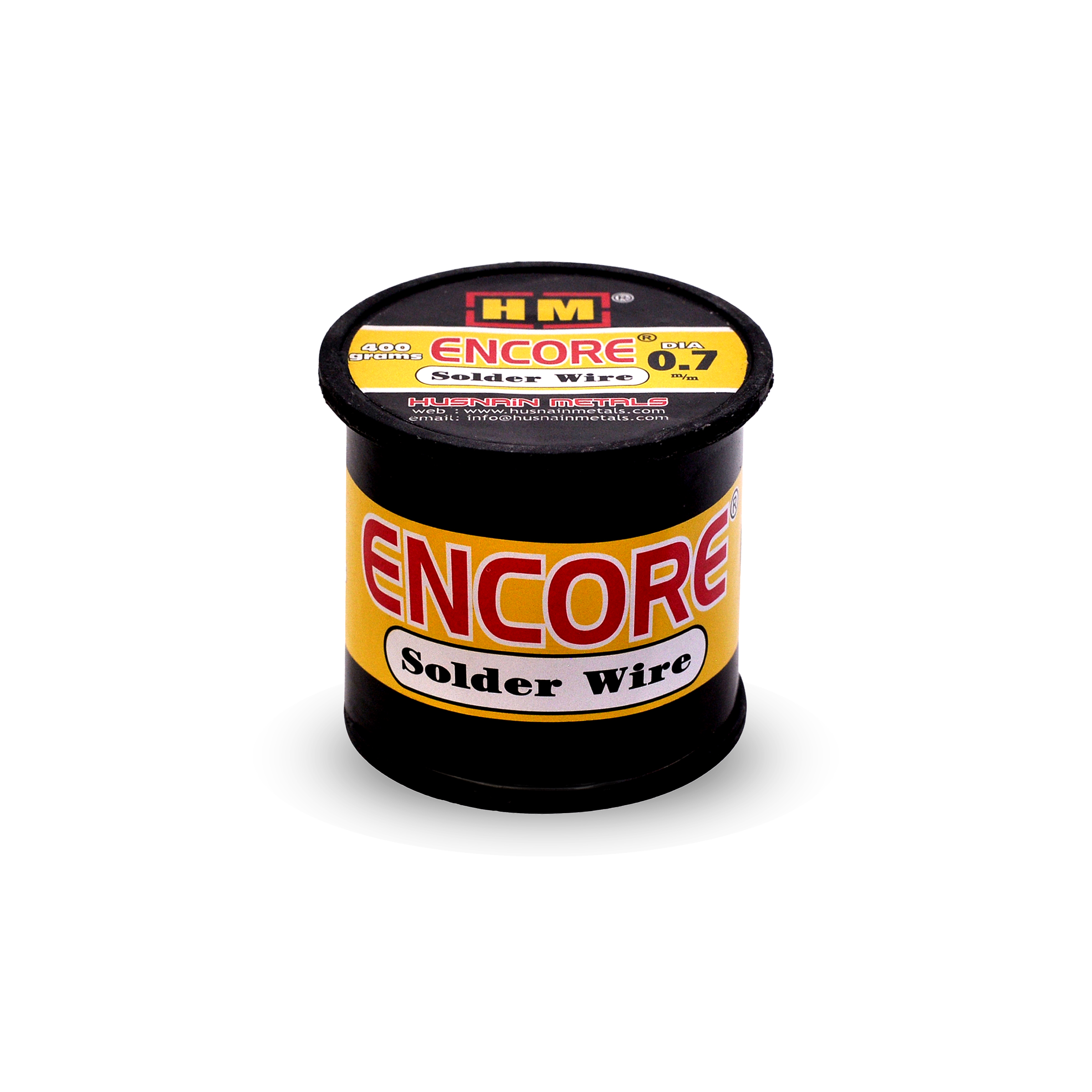
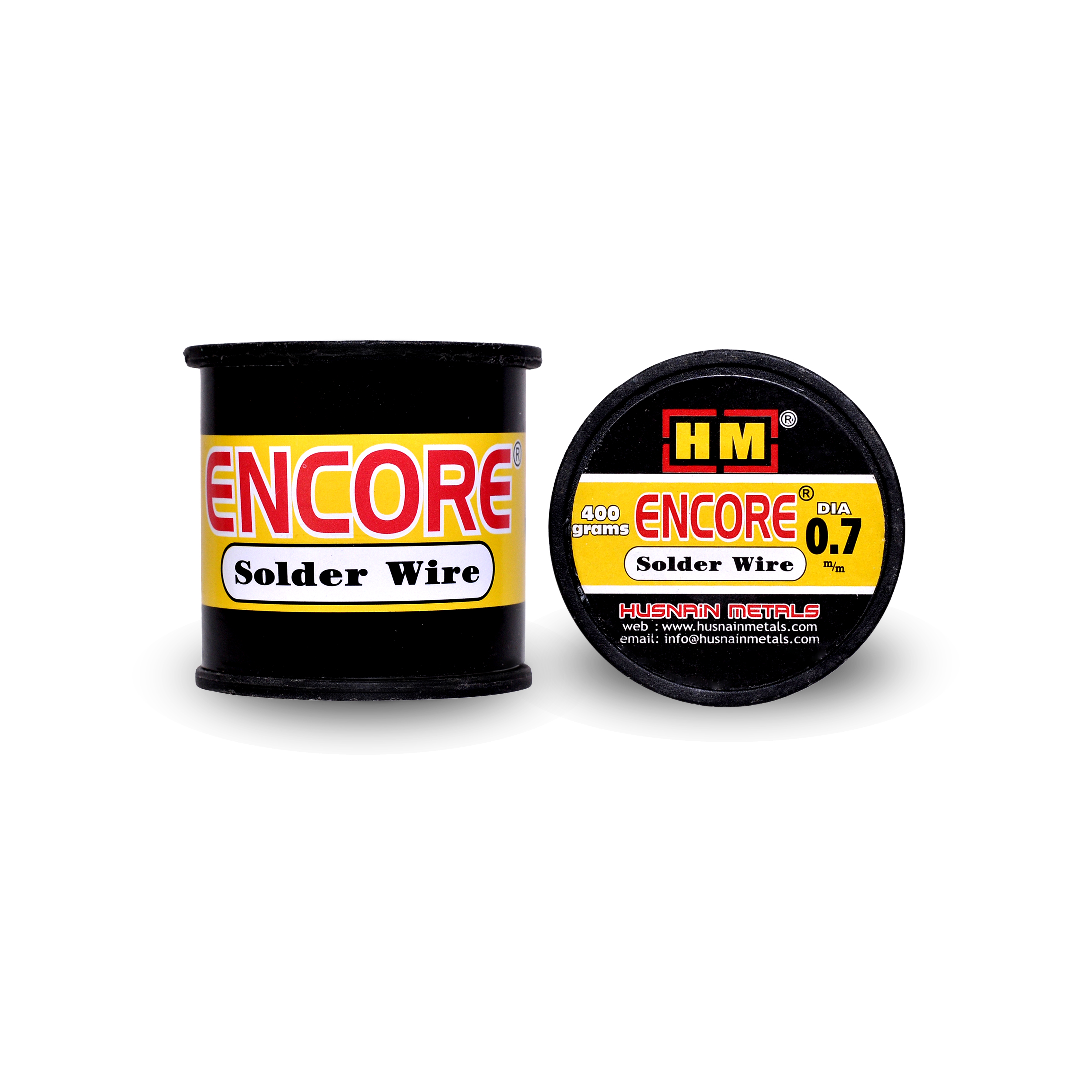
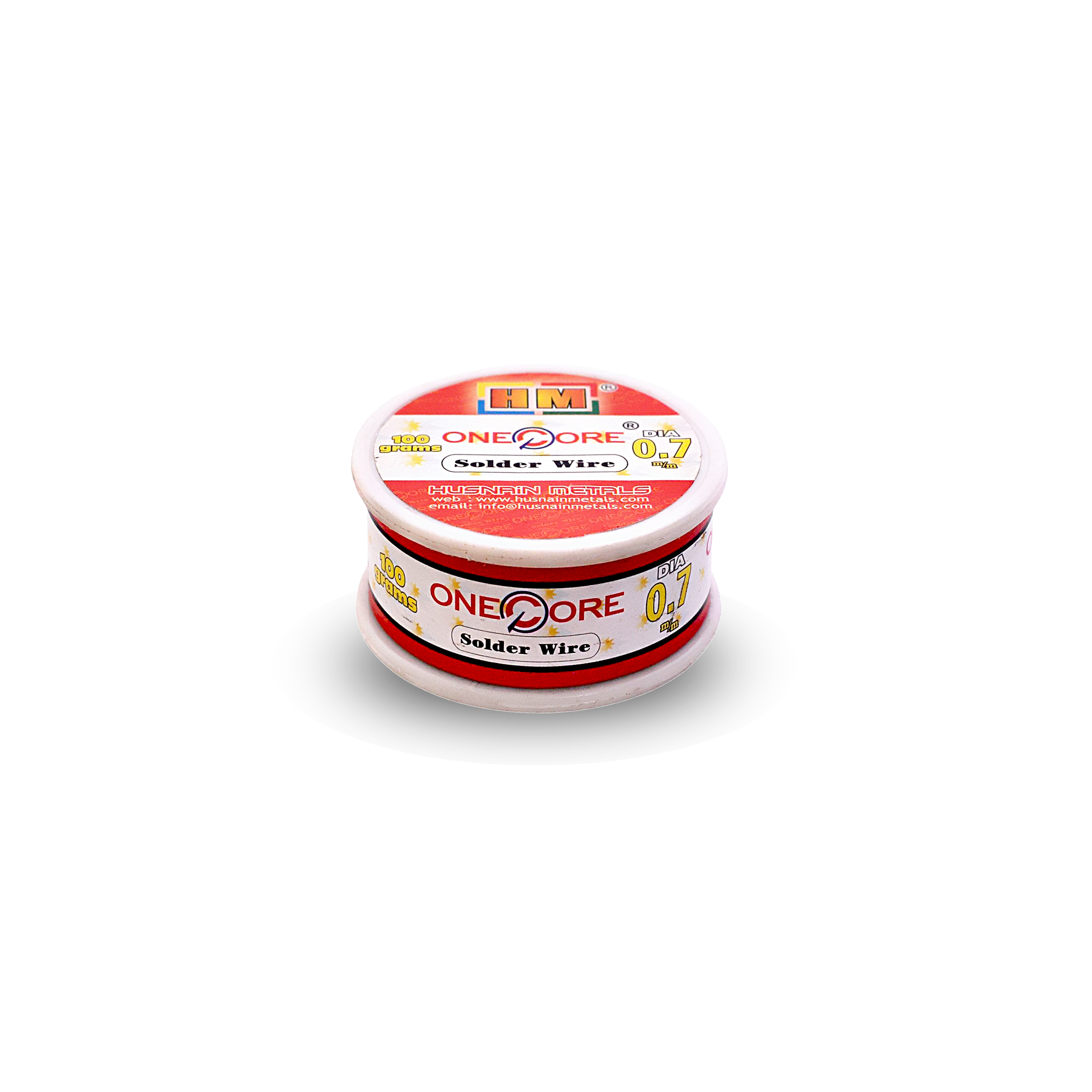
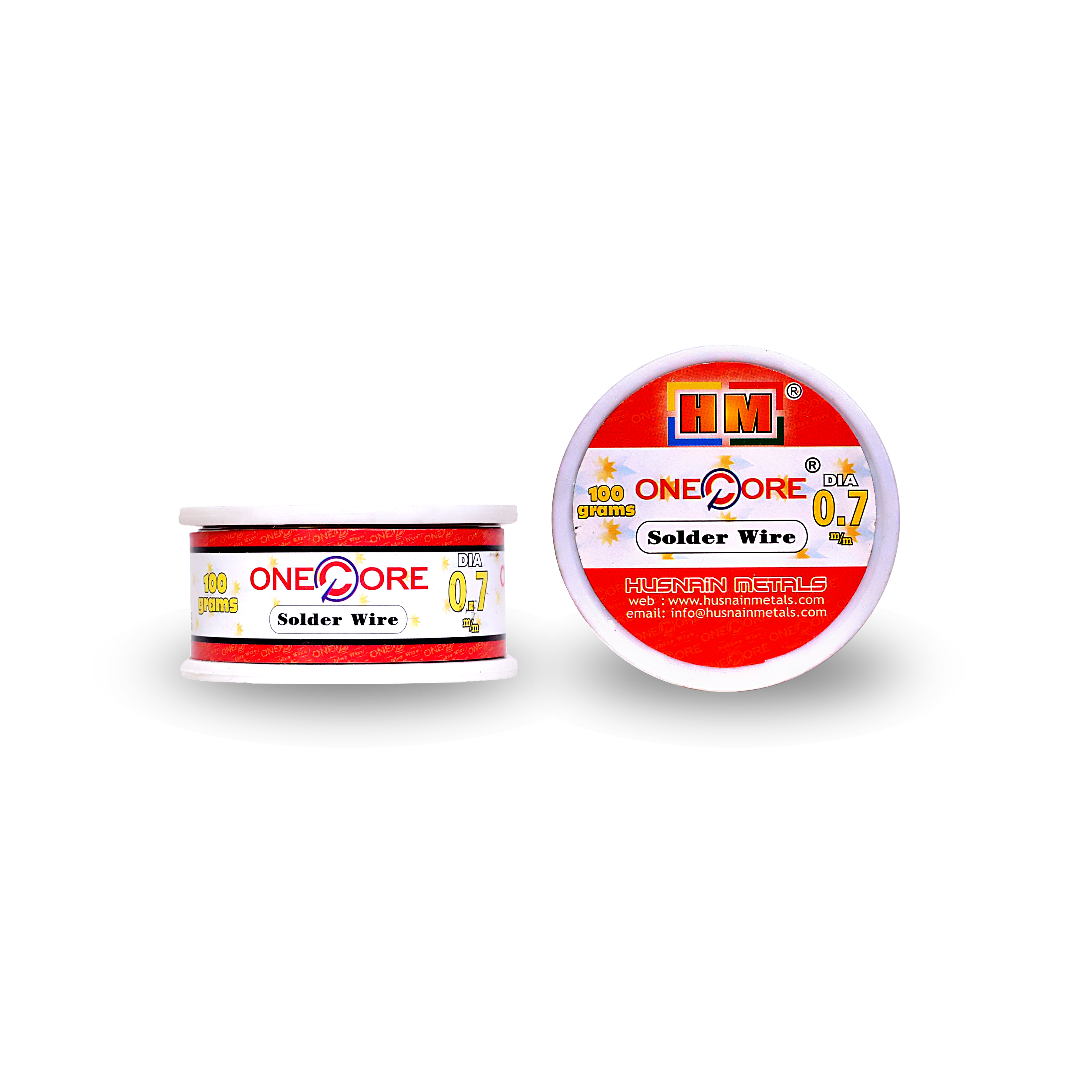
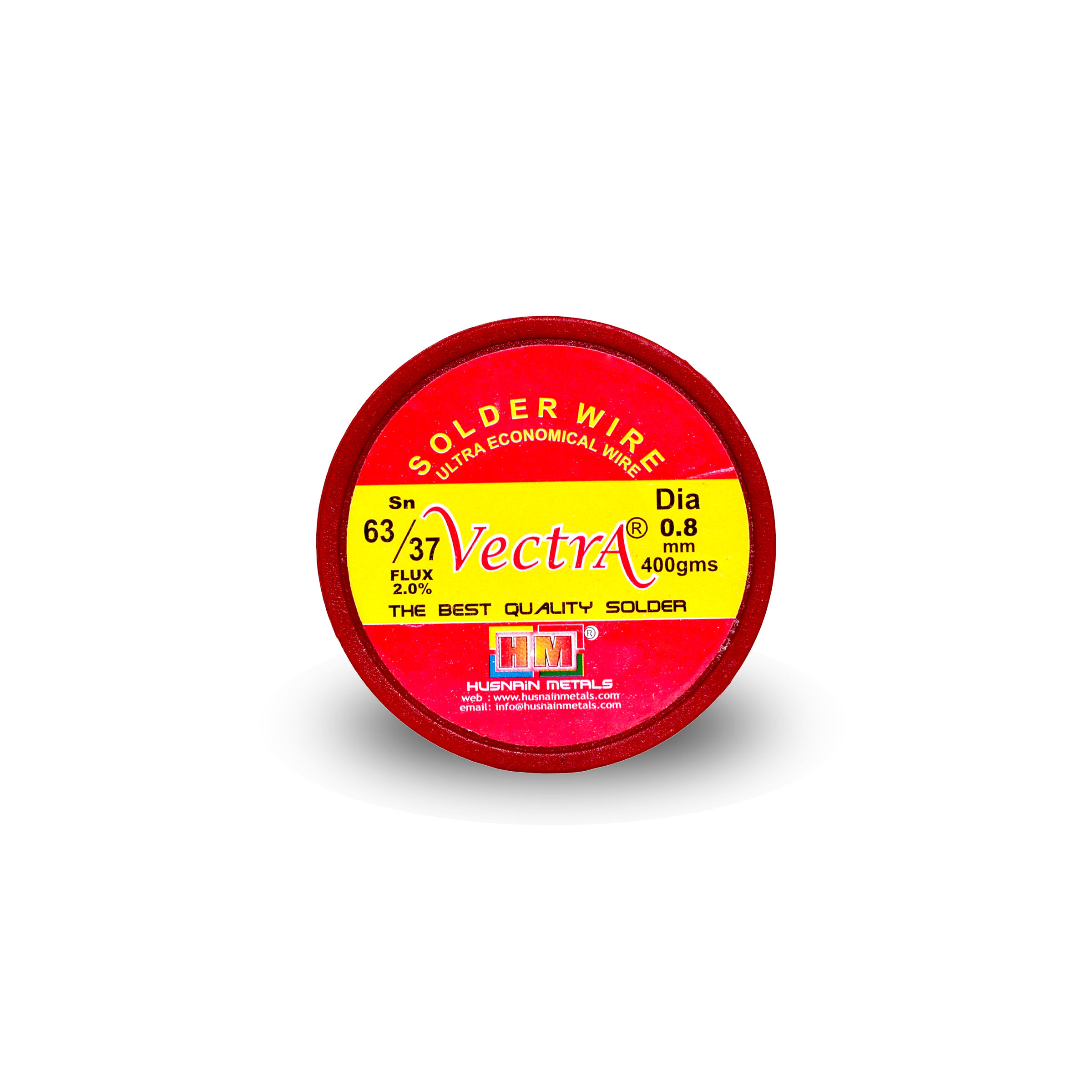
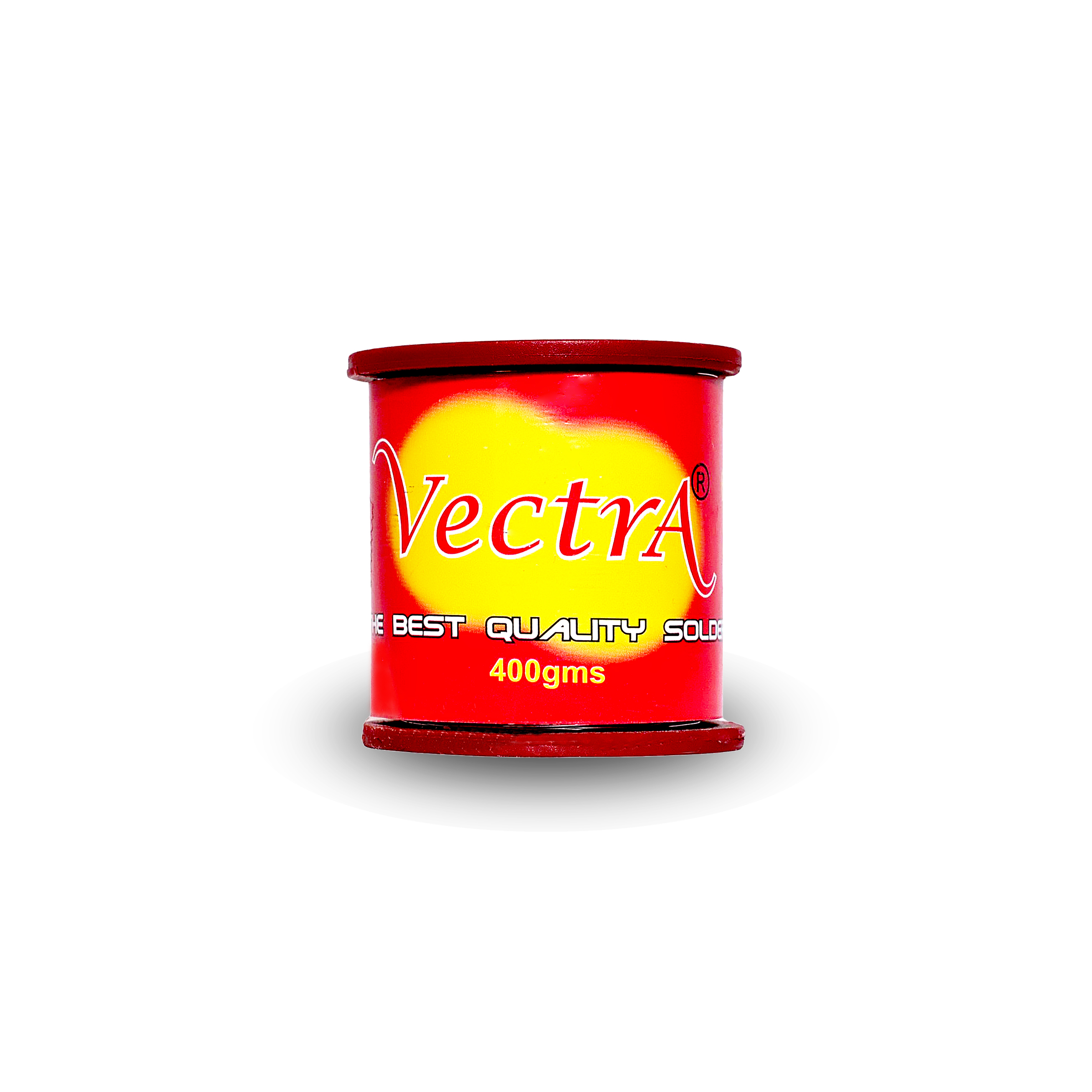
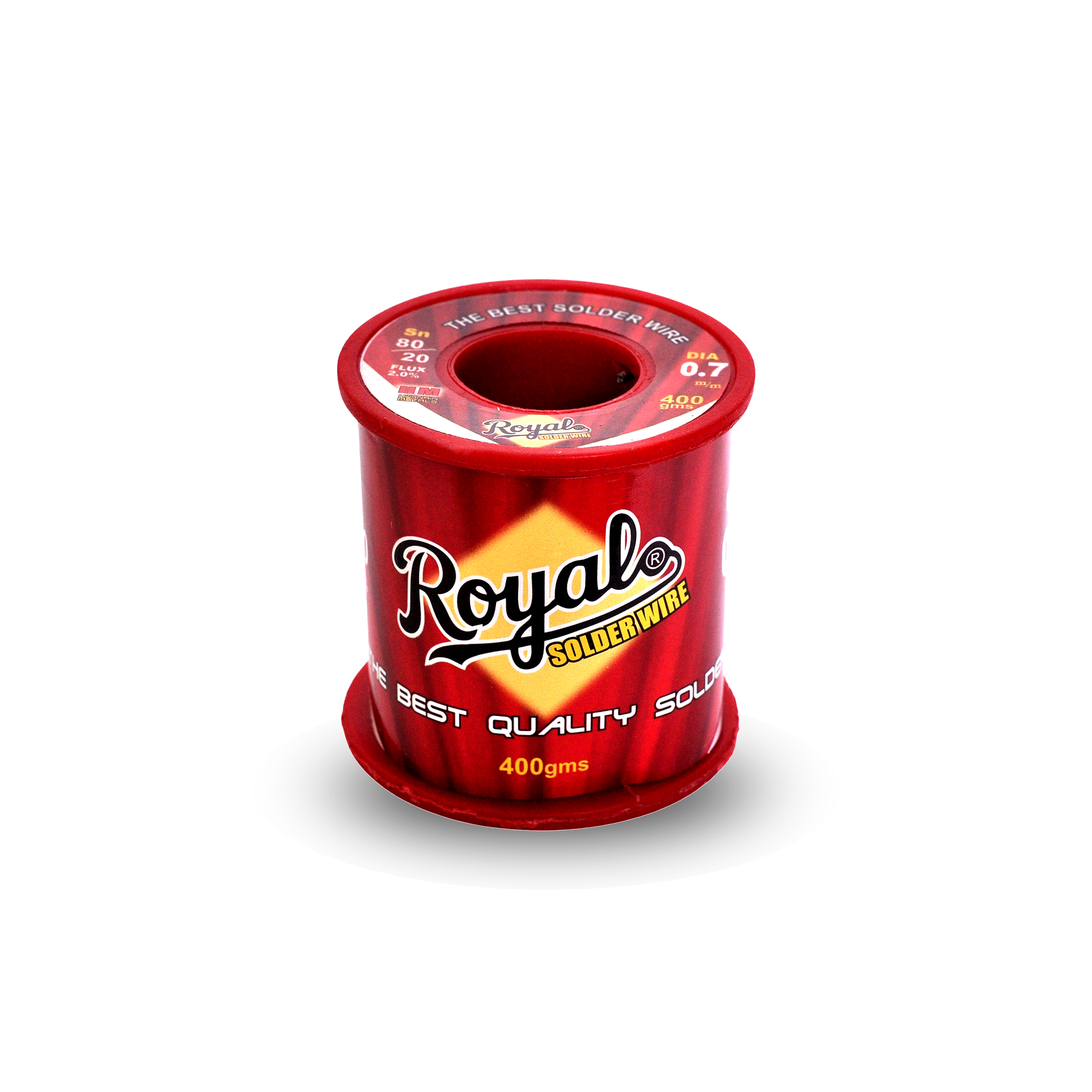
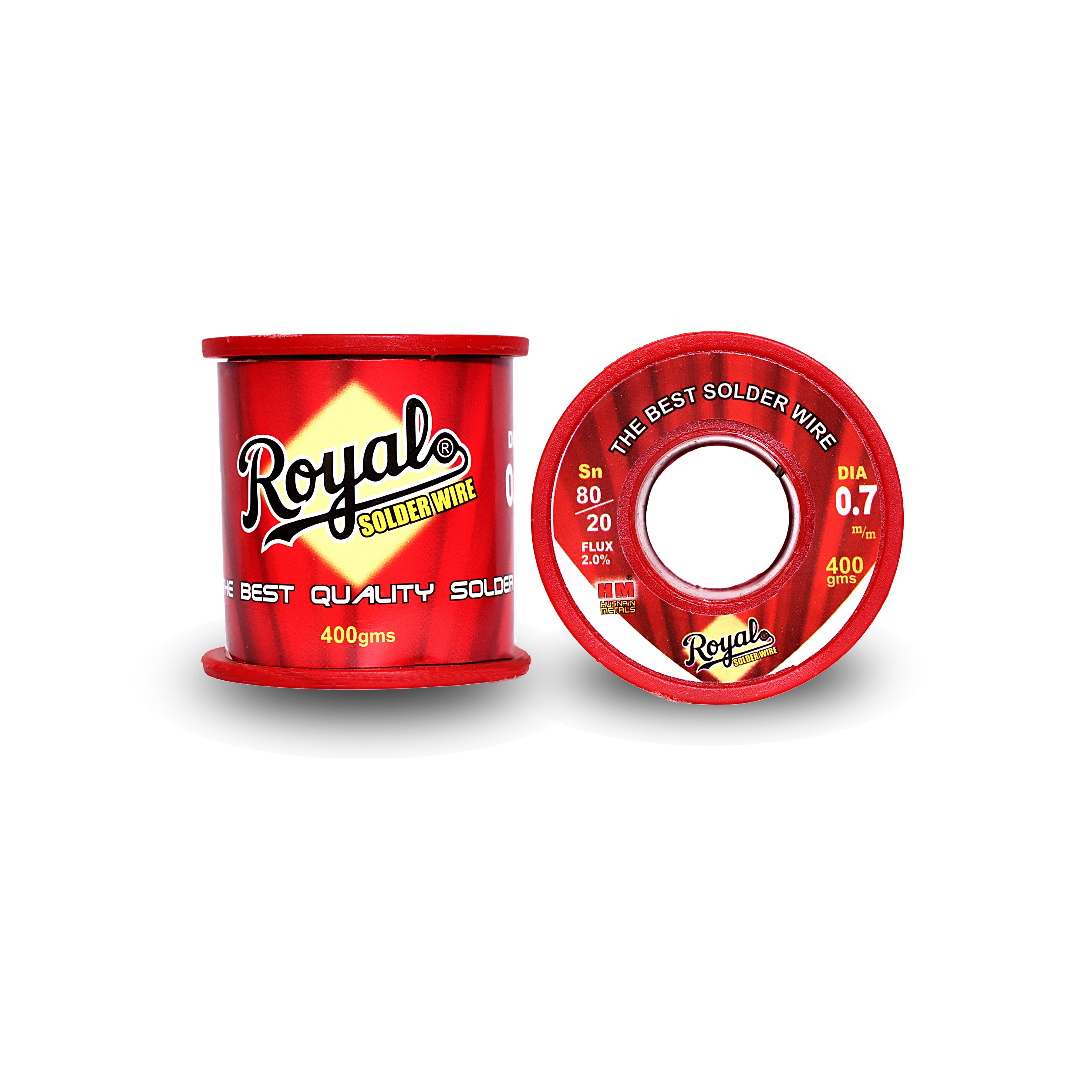
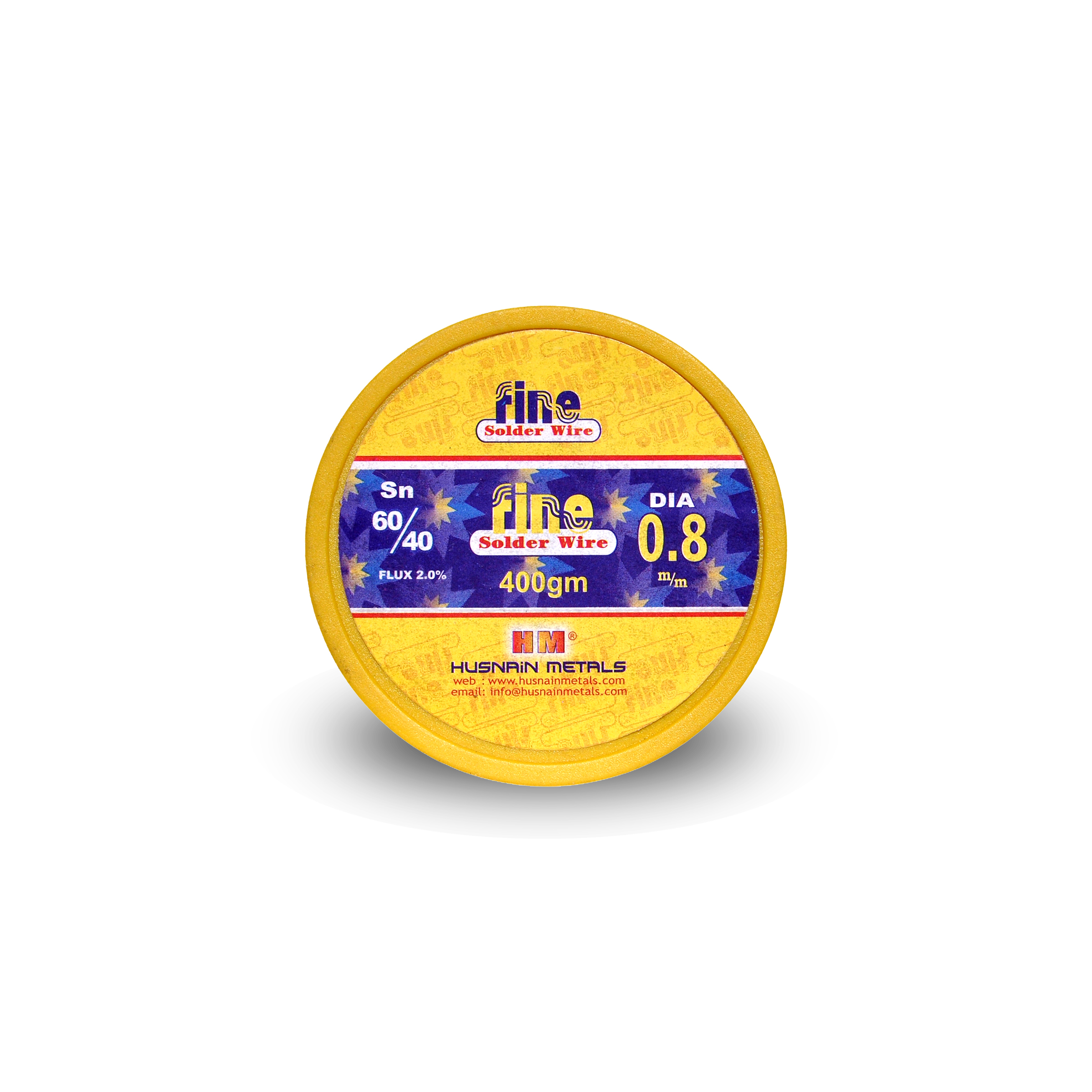
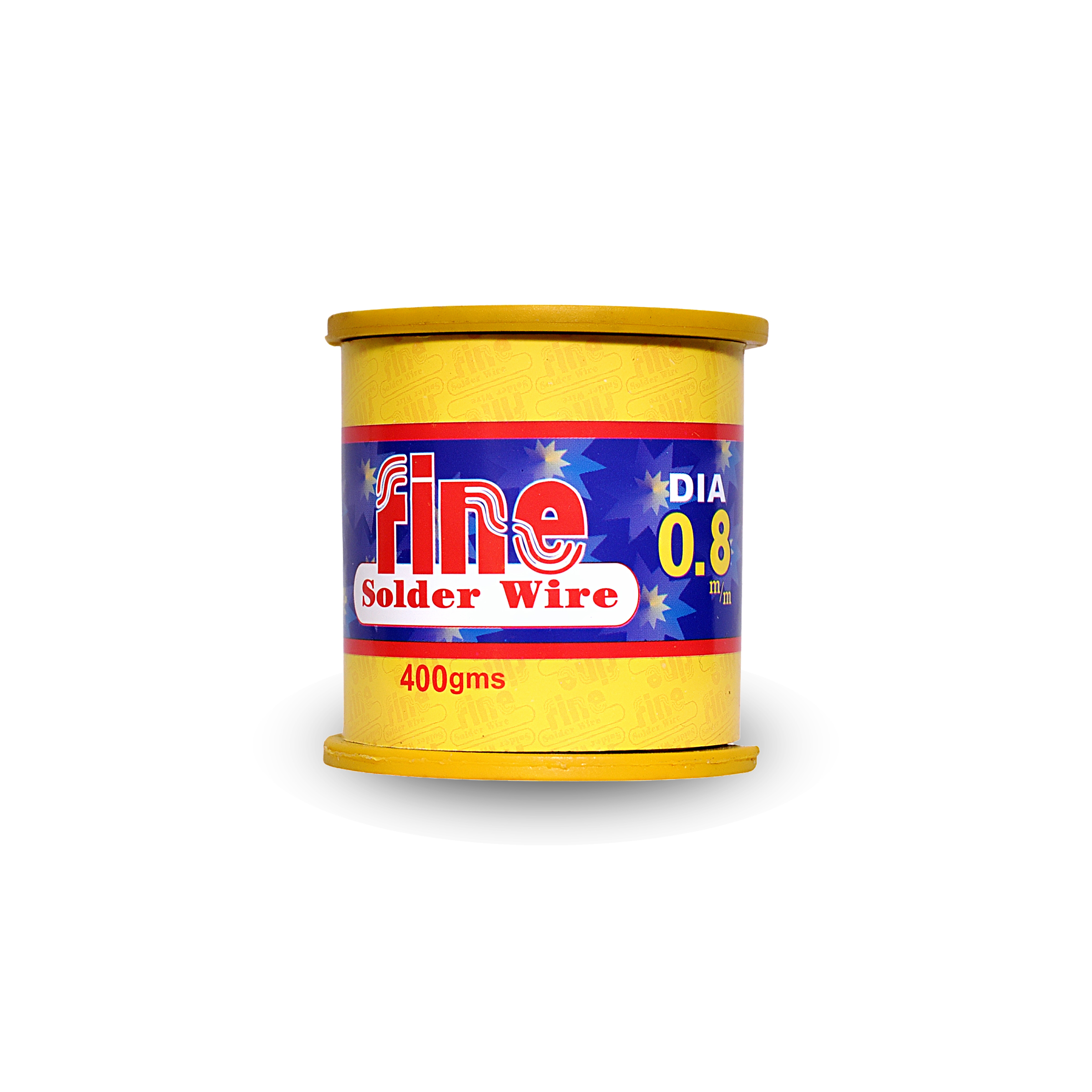
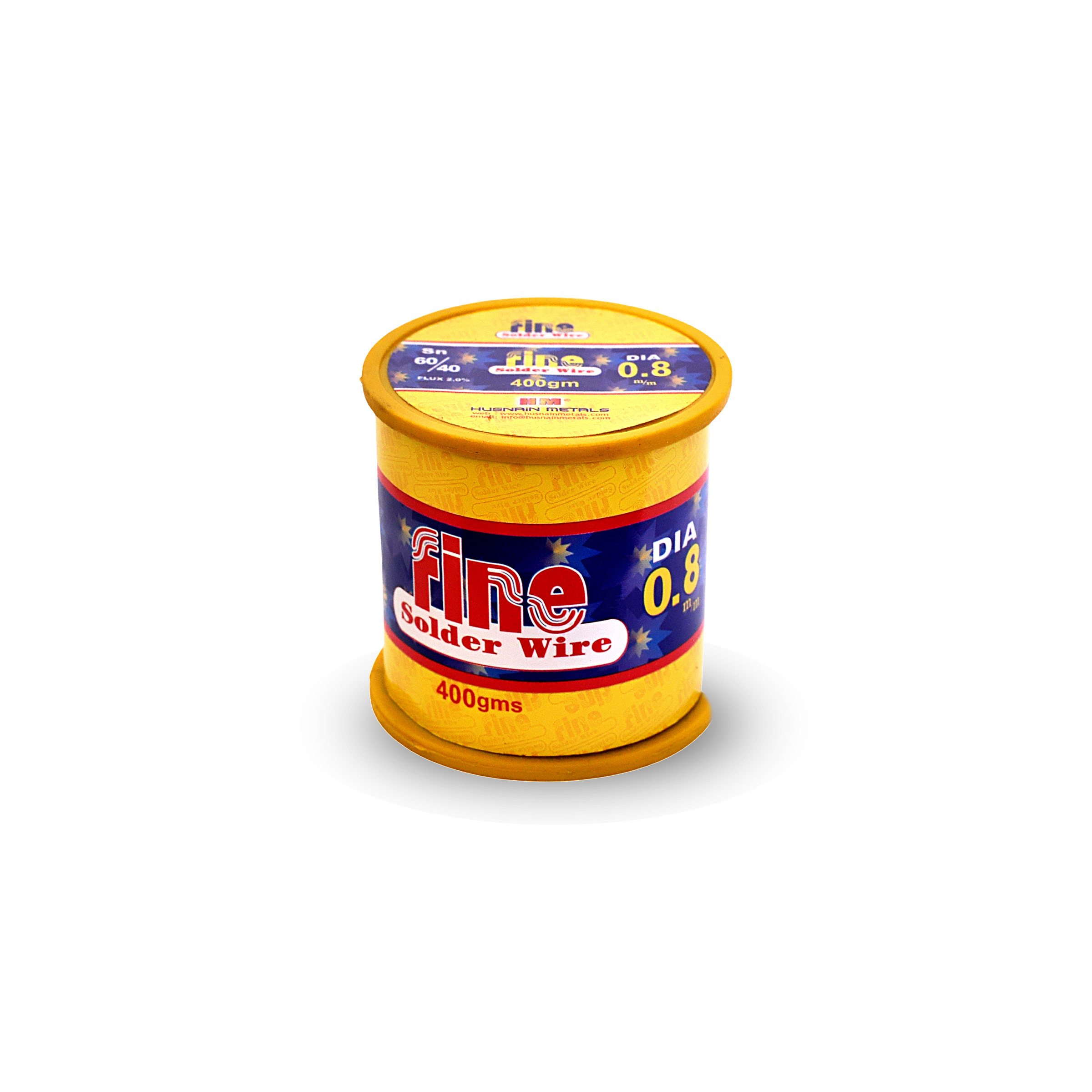
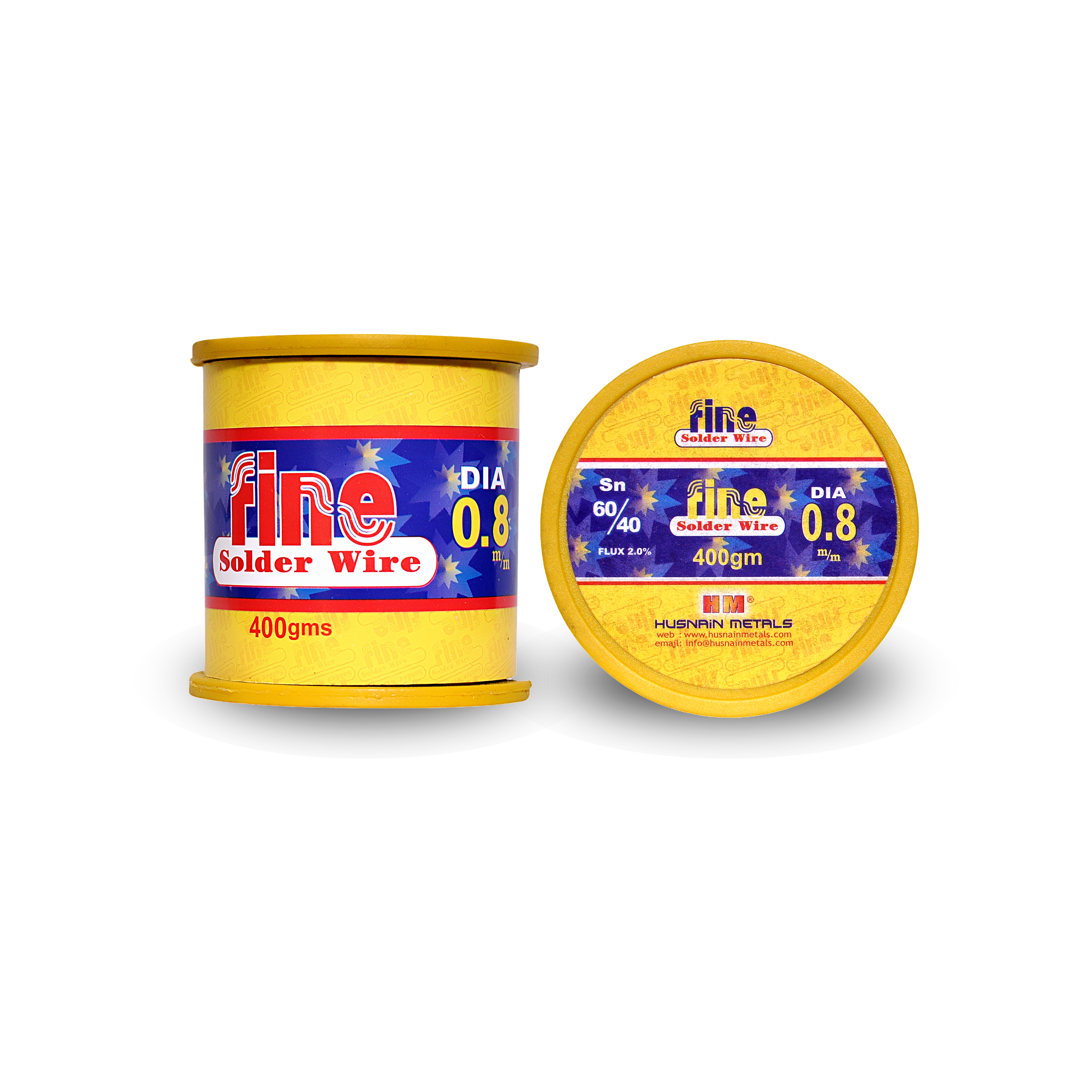
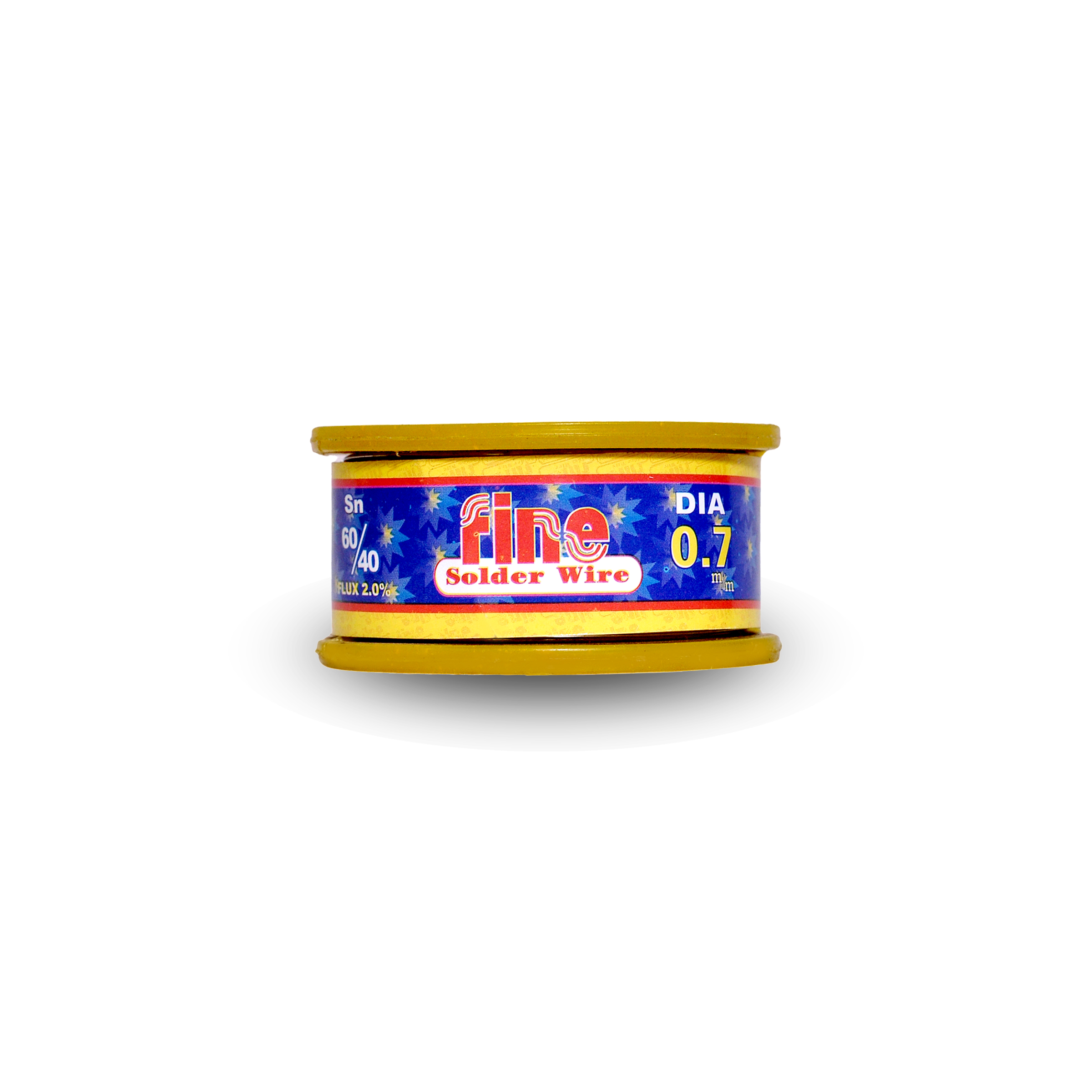
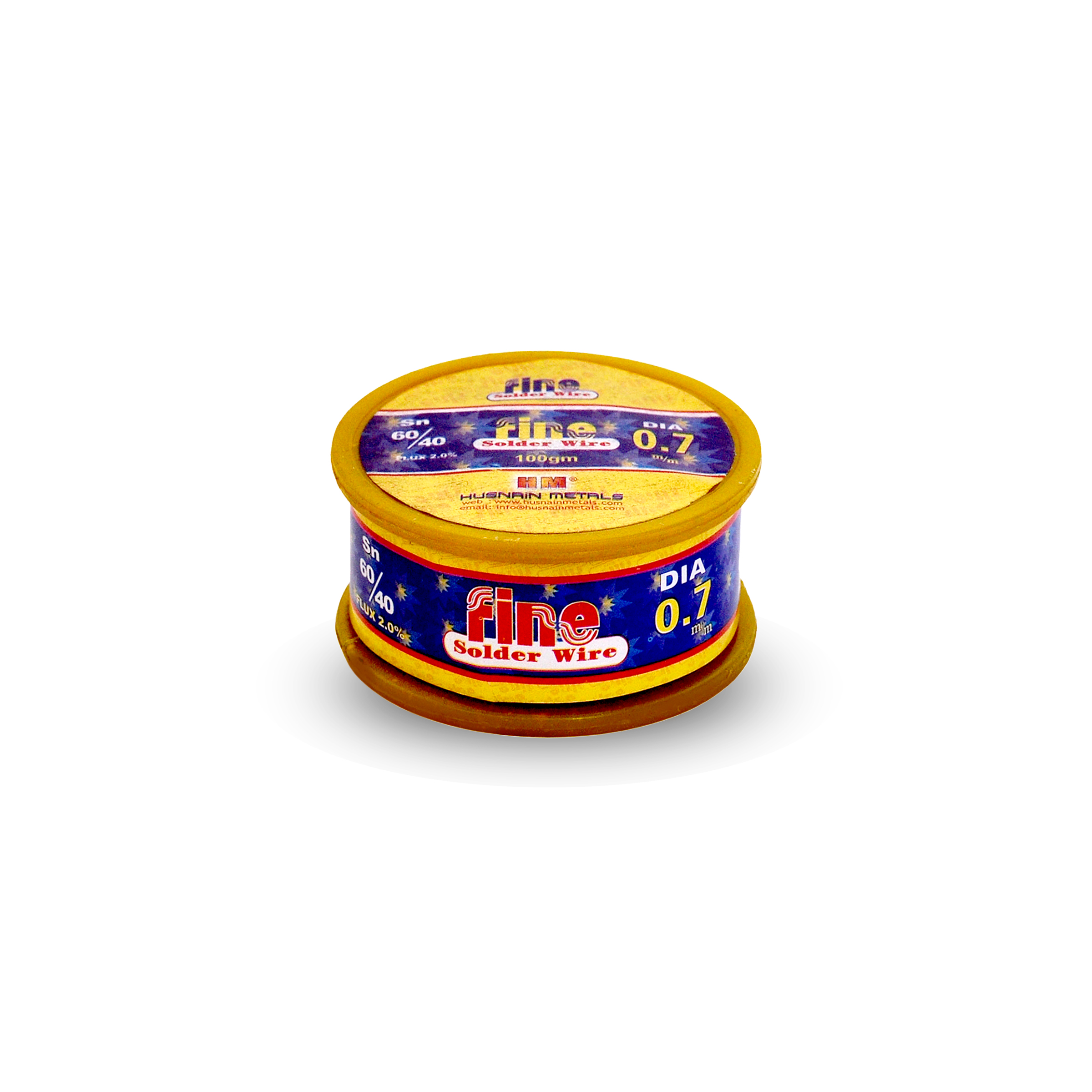
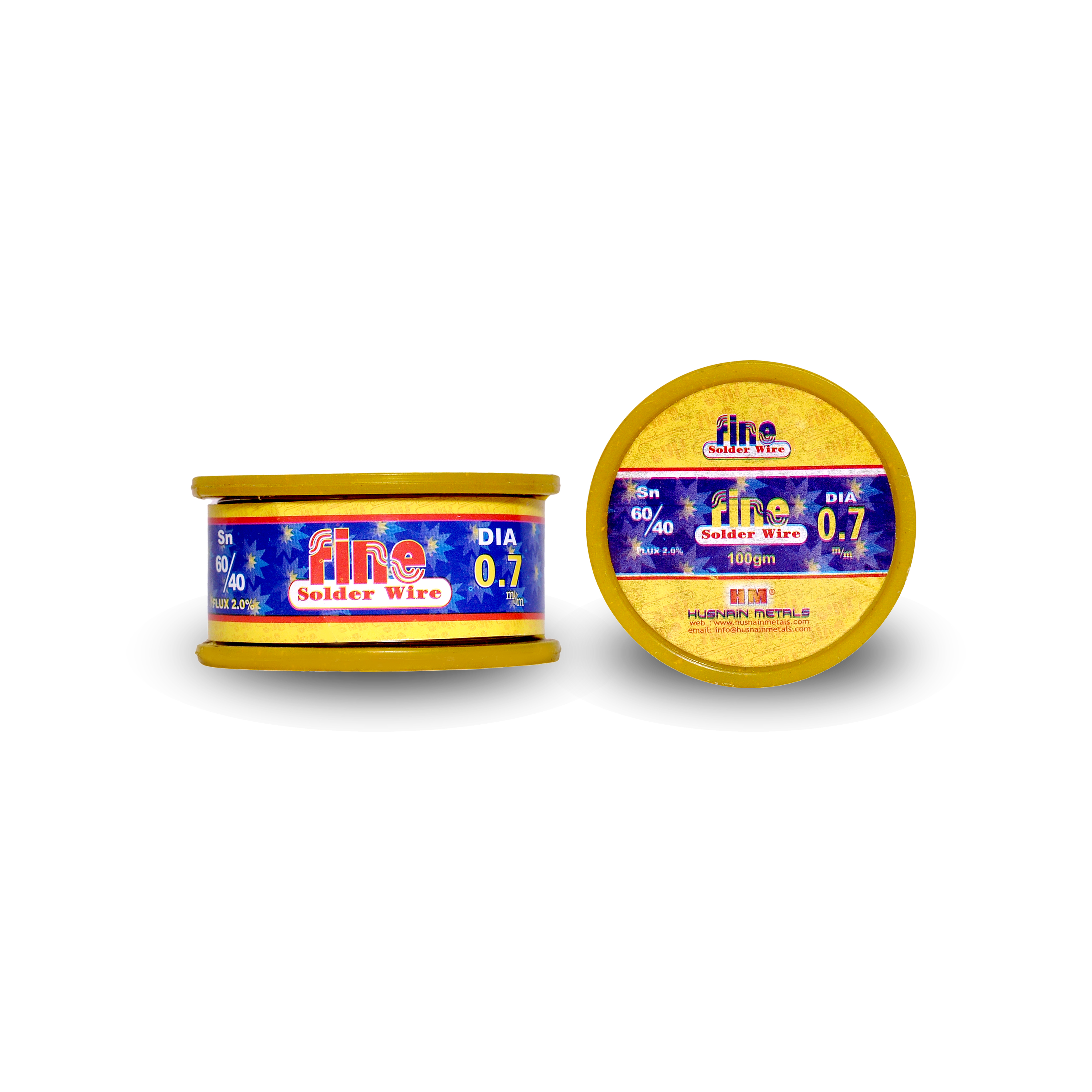
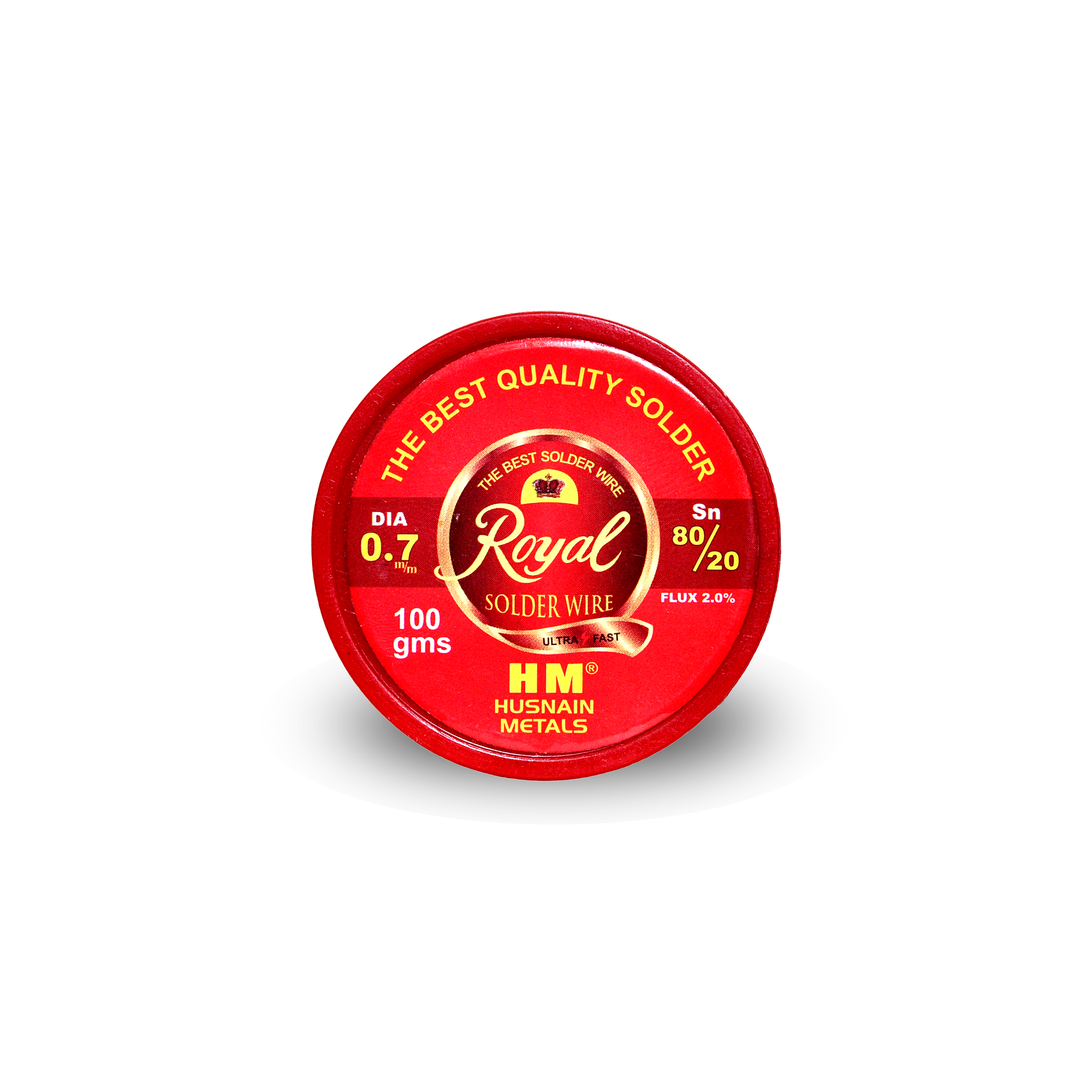
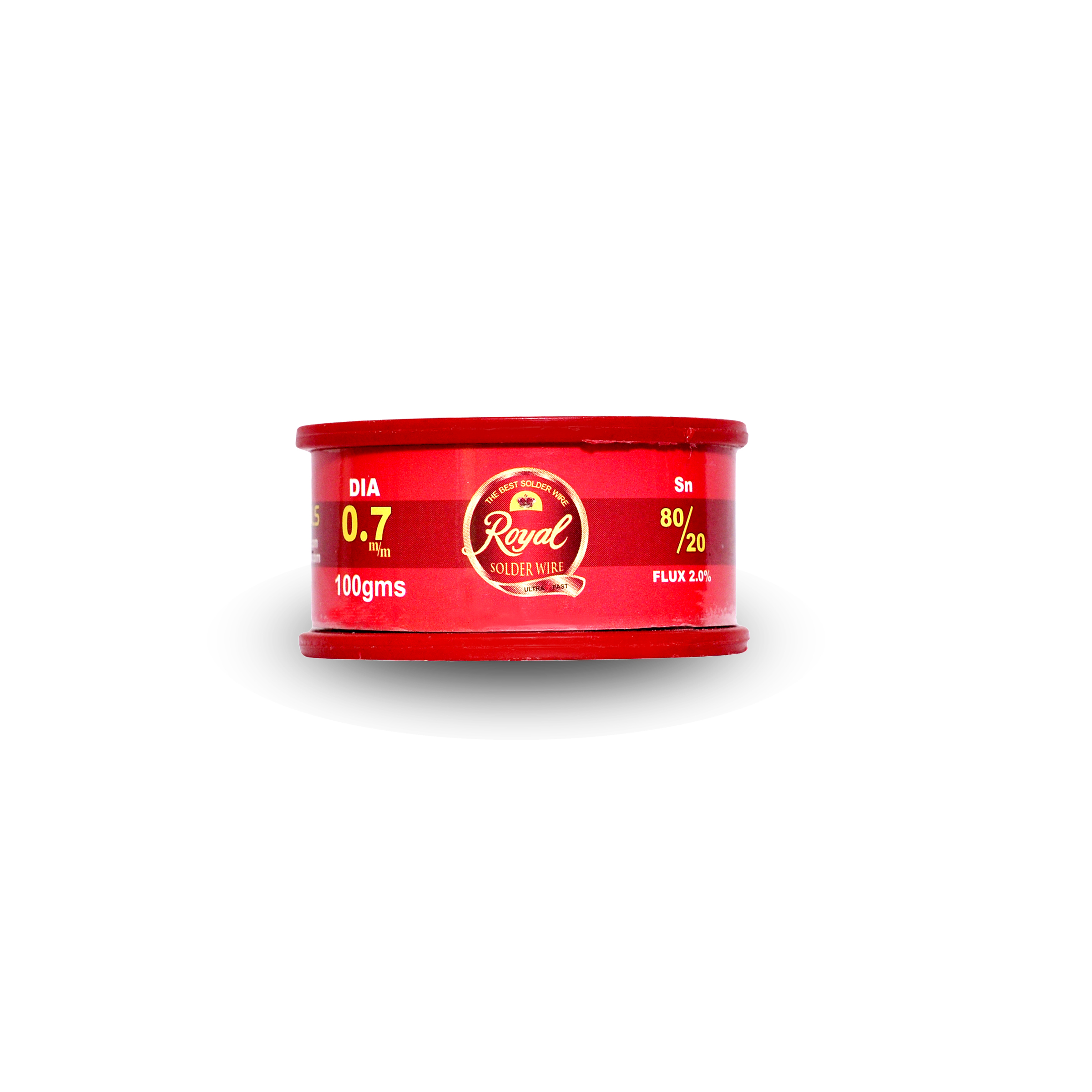
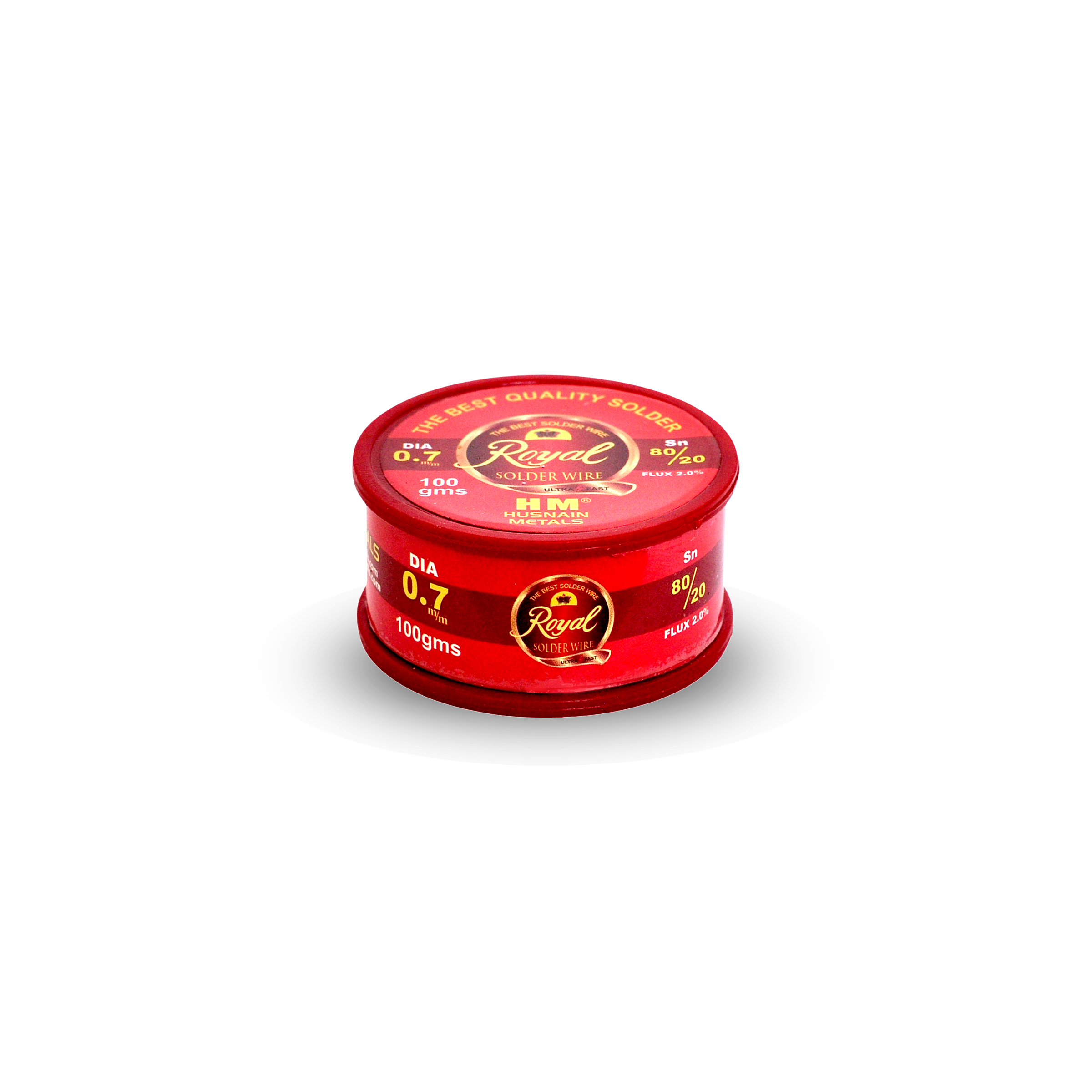
Solder Wire Description (General Use)
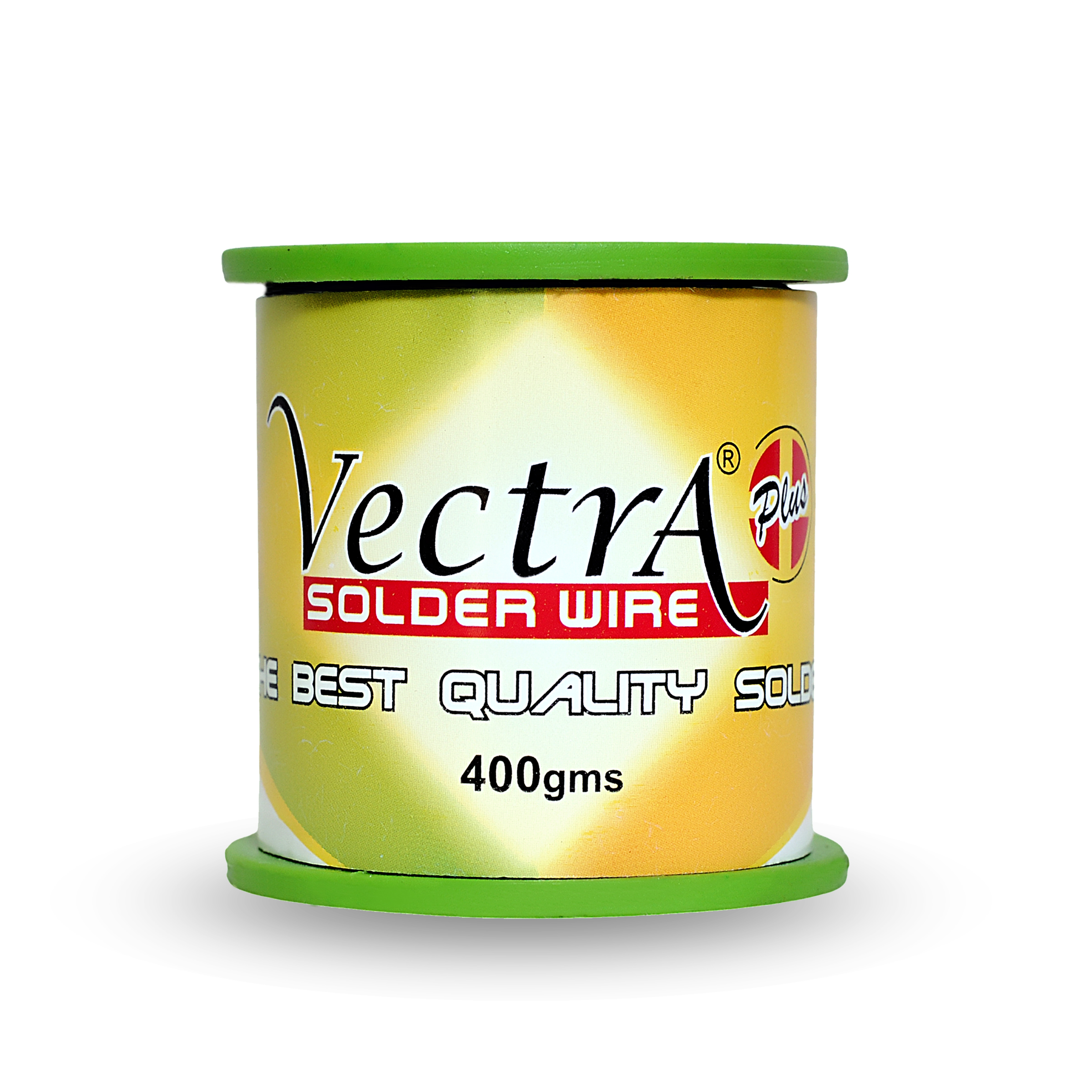
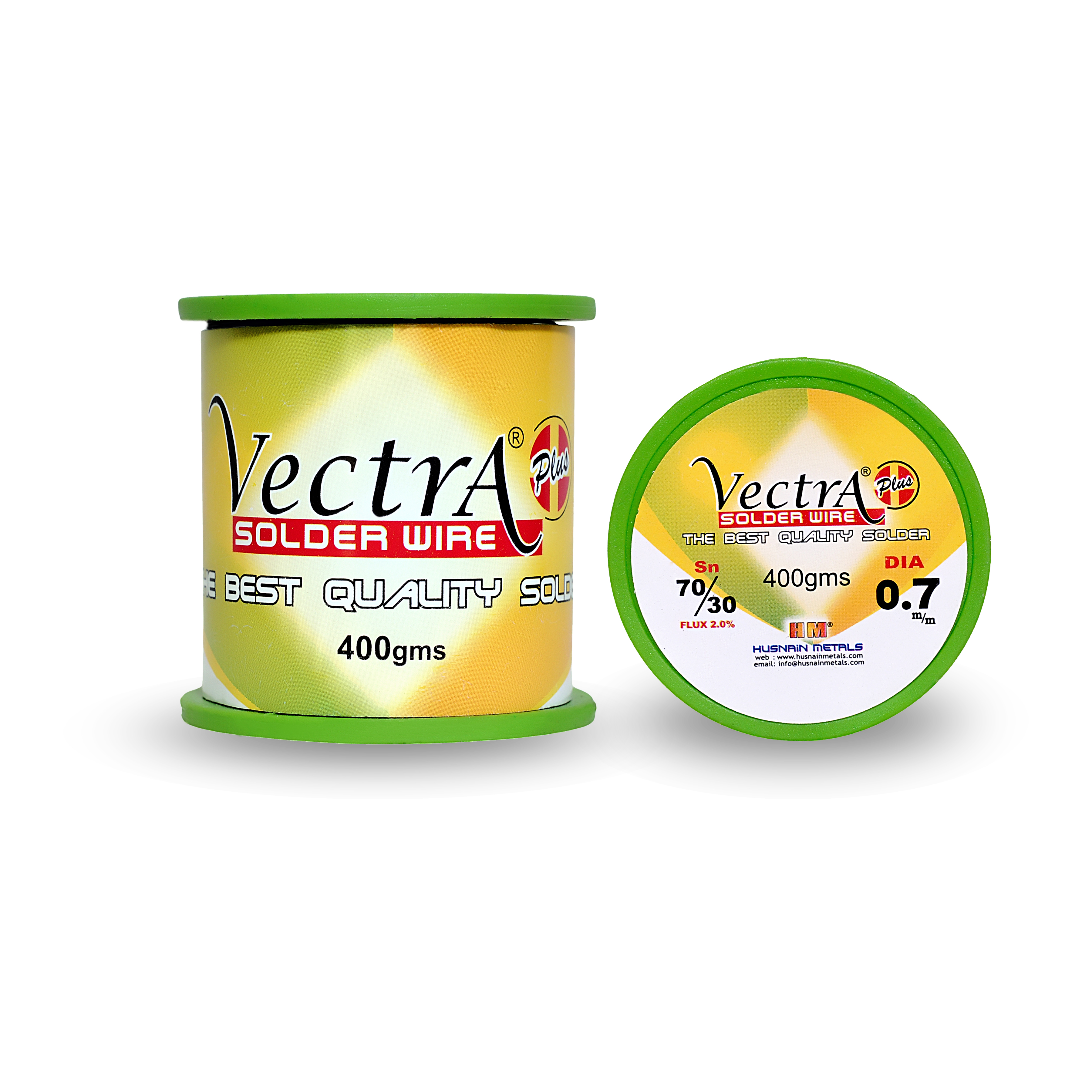
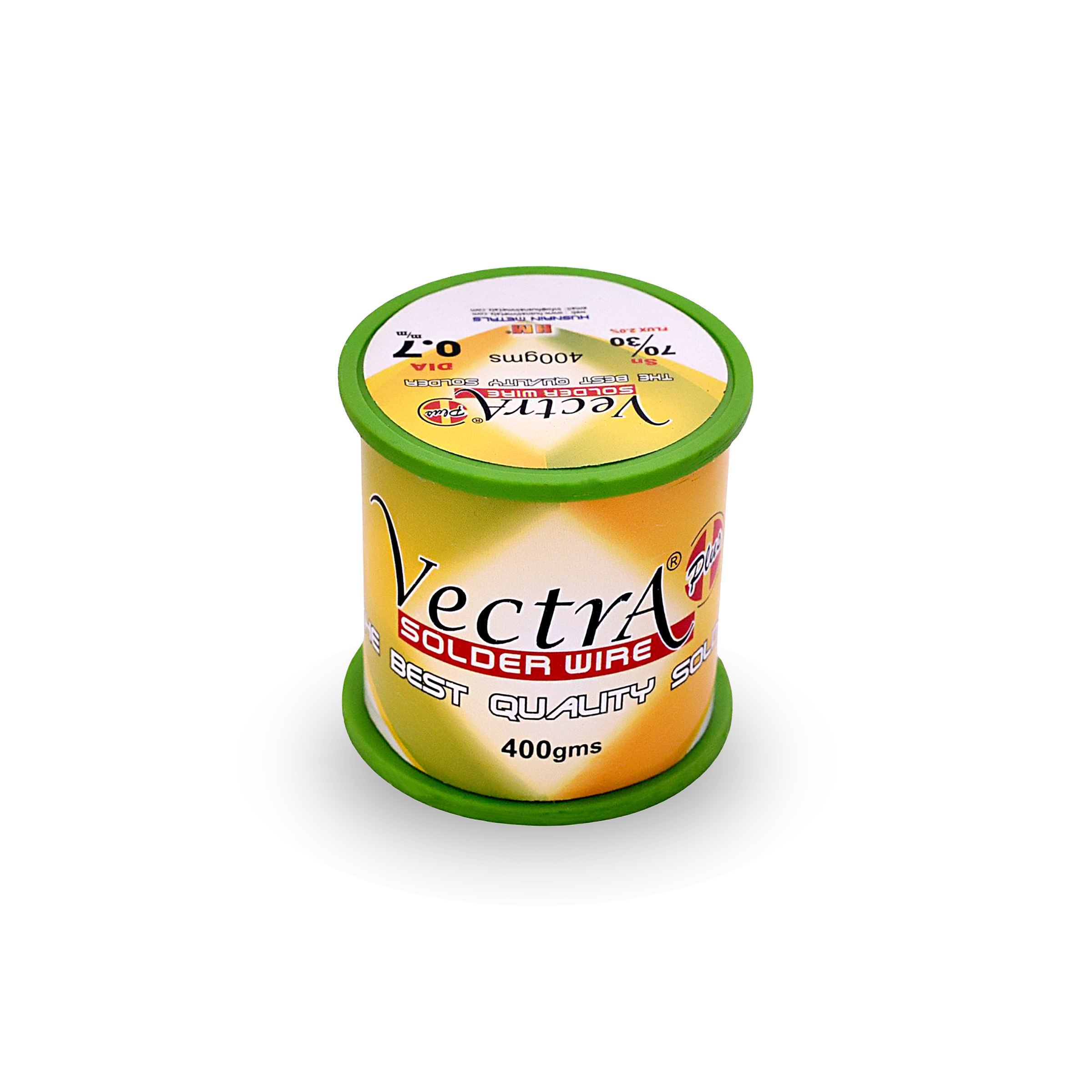
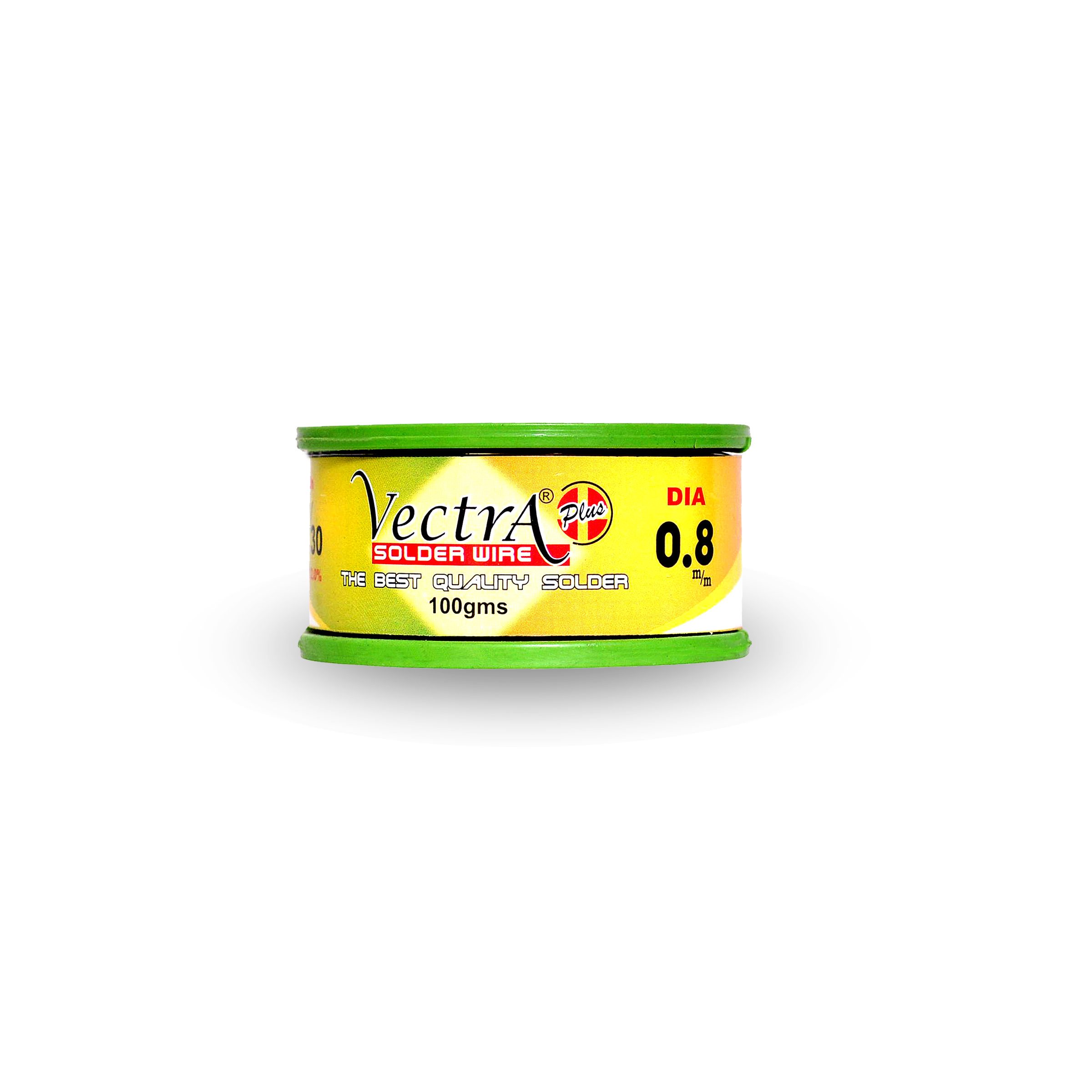
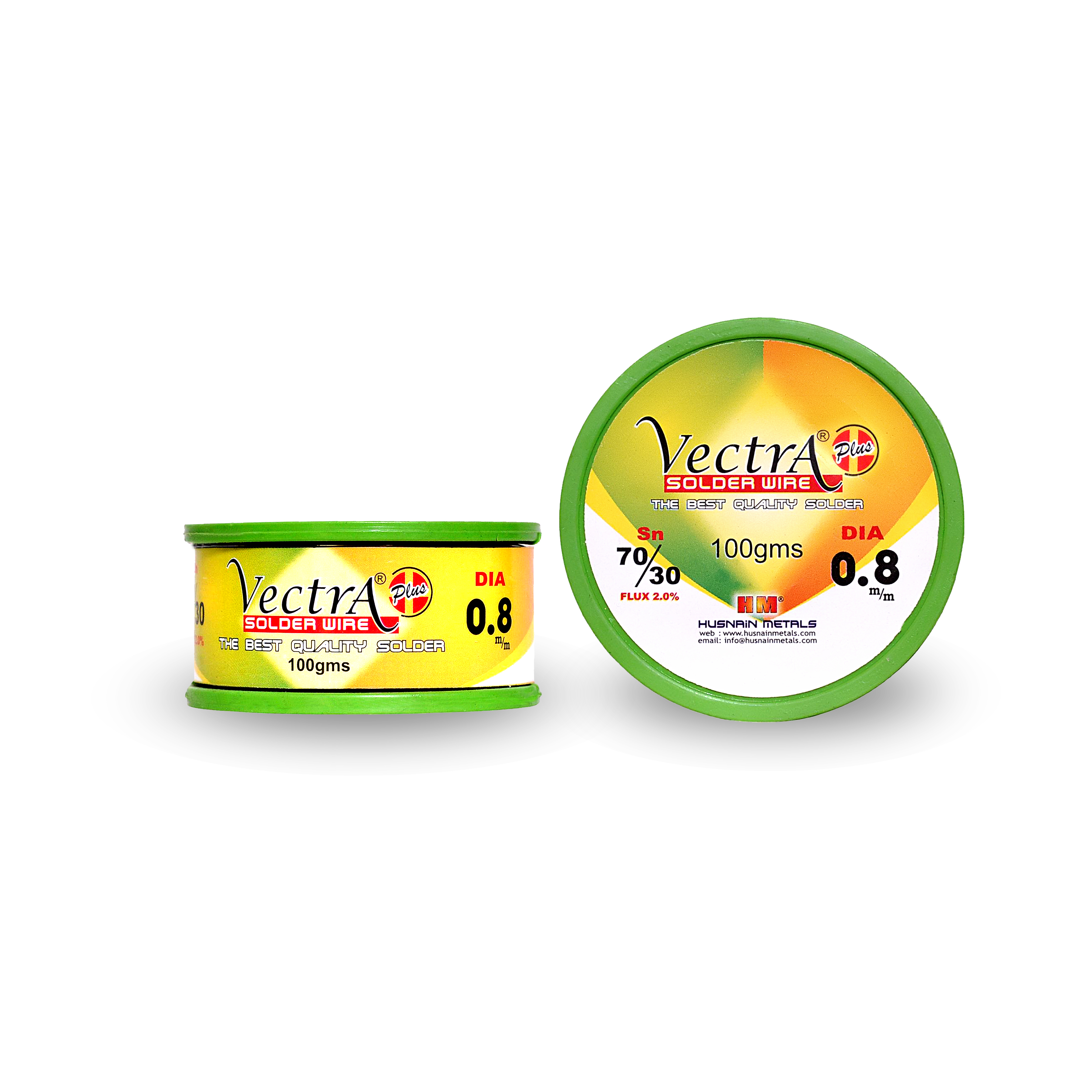
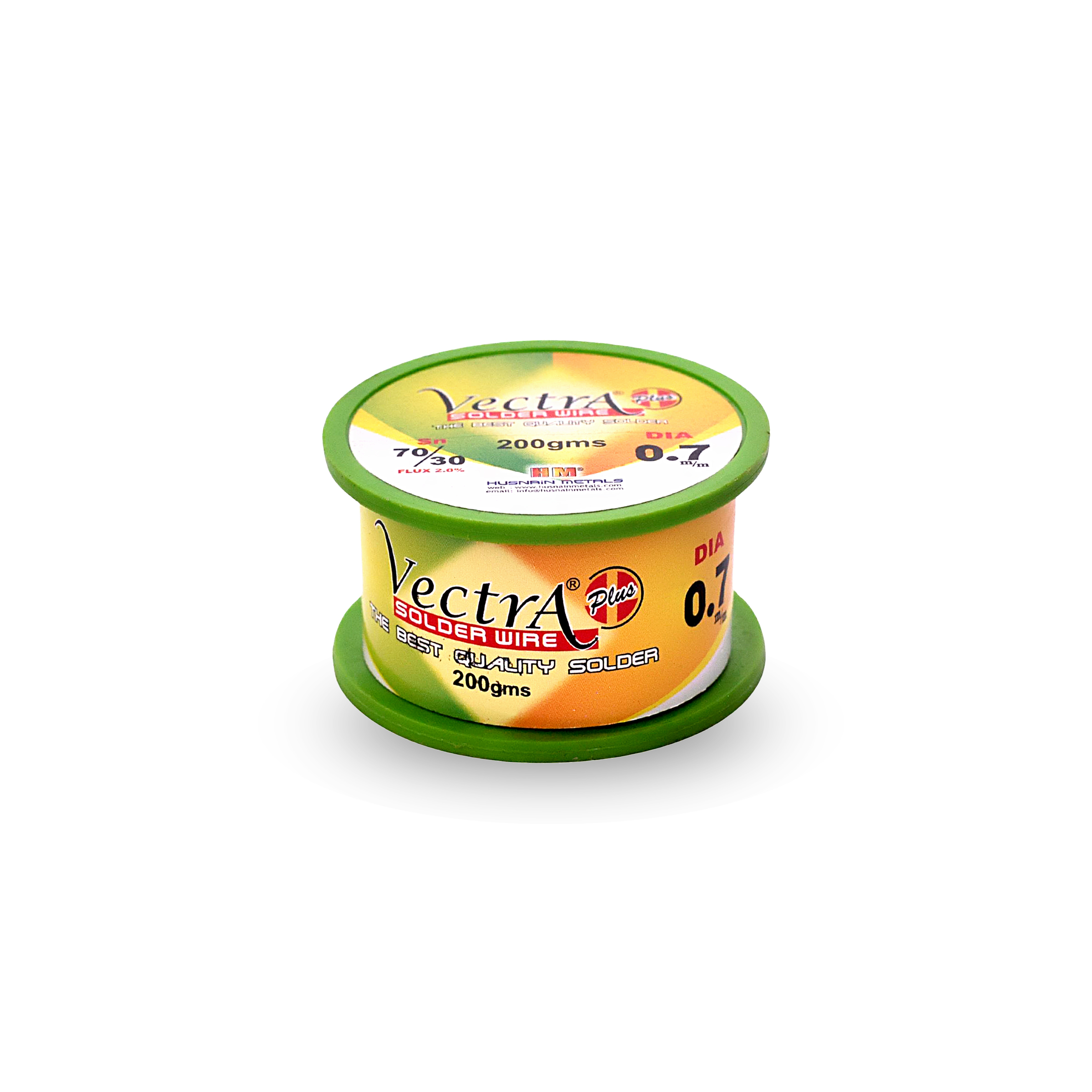
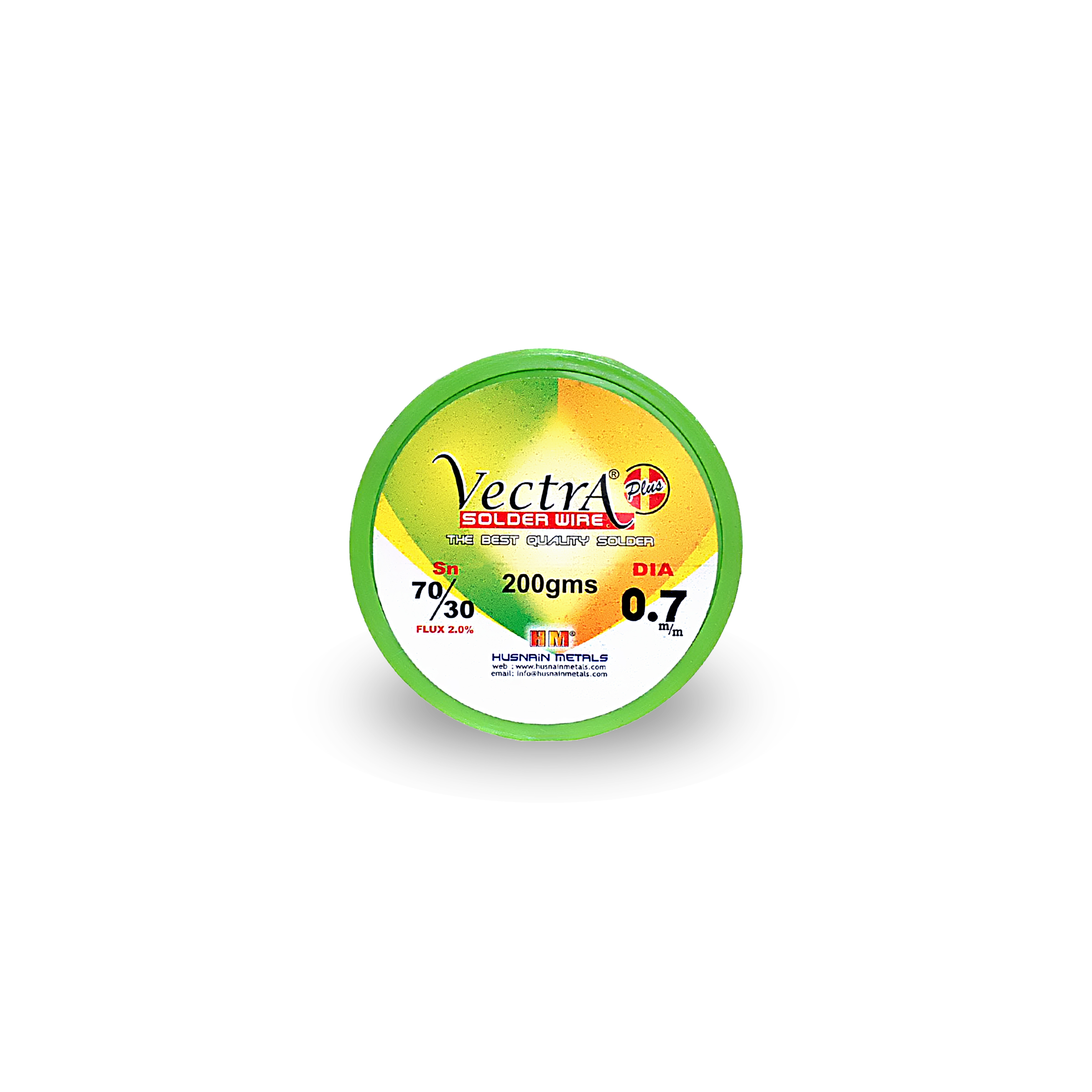
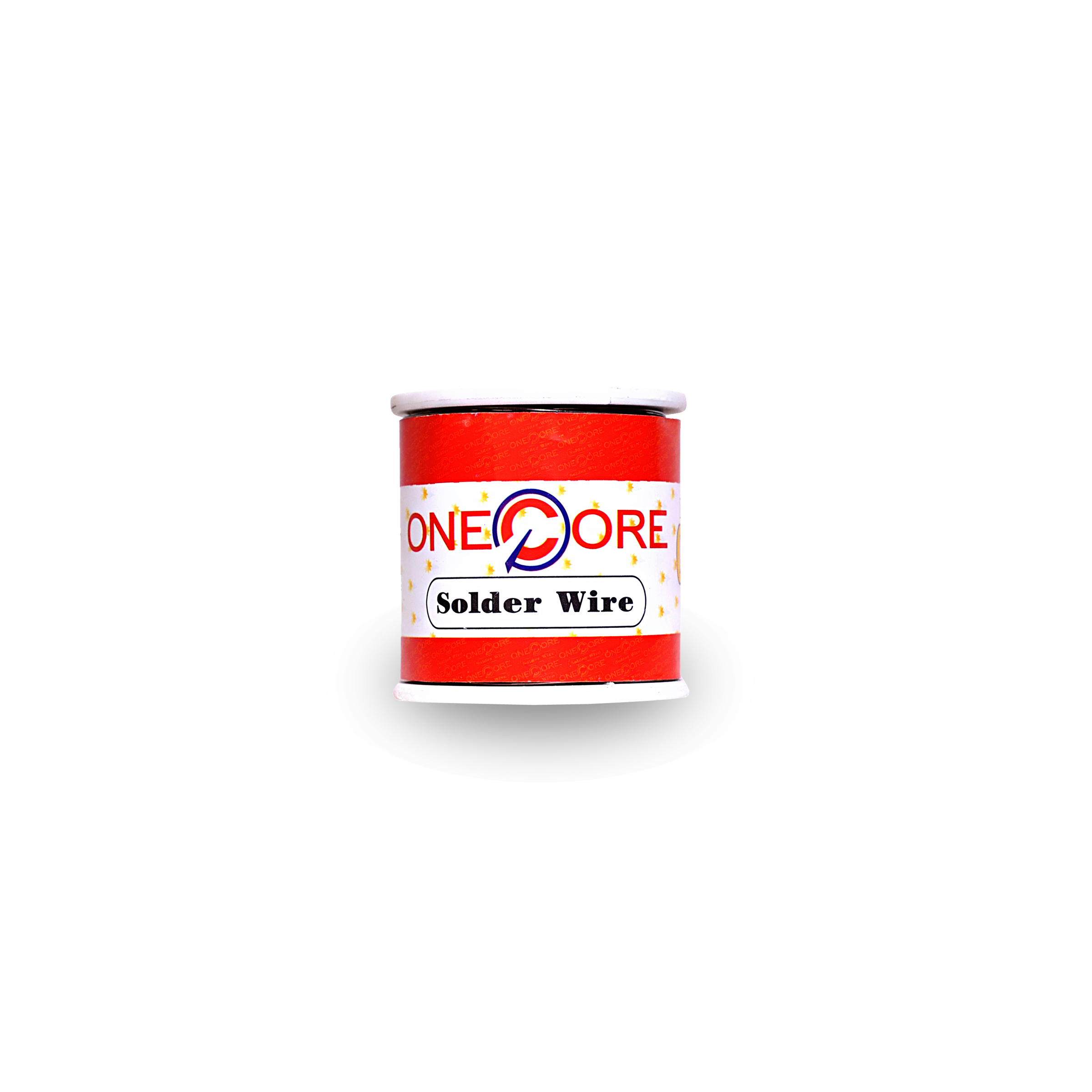
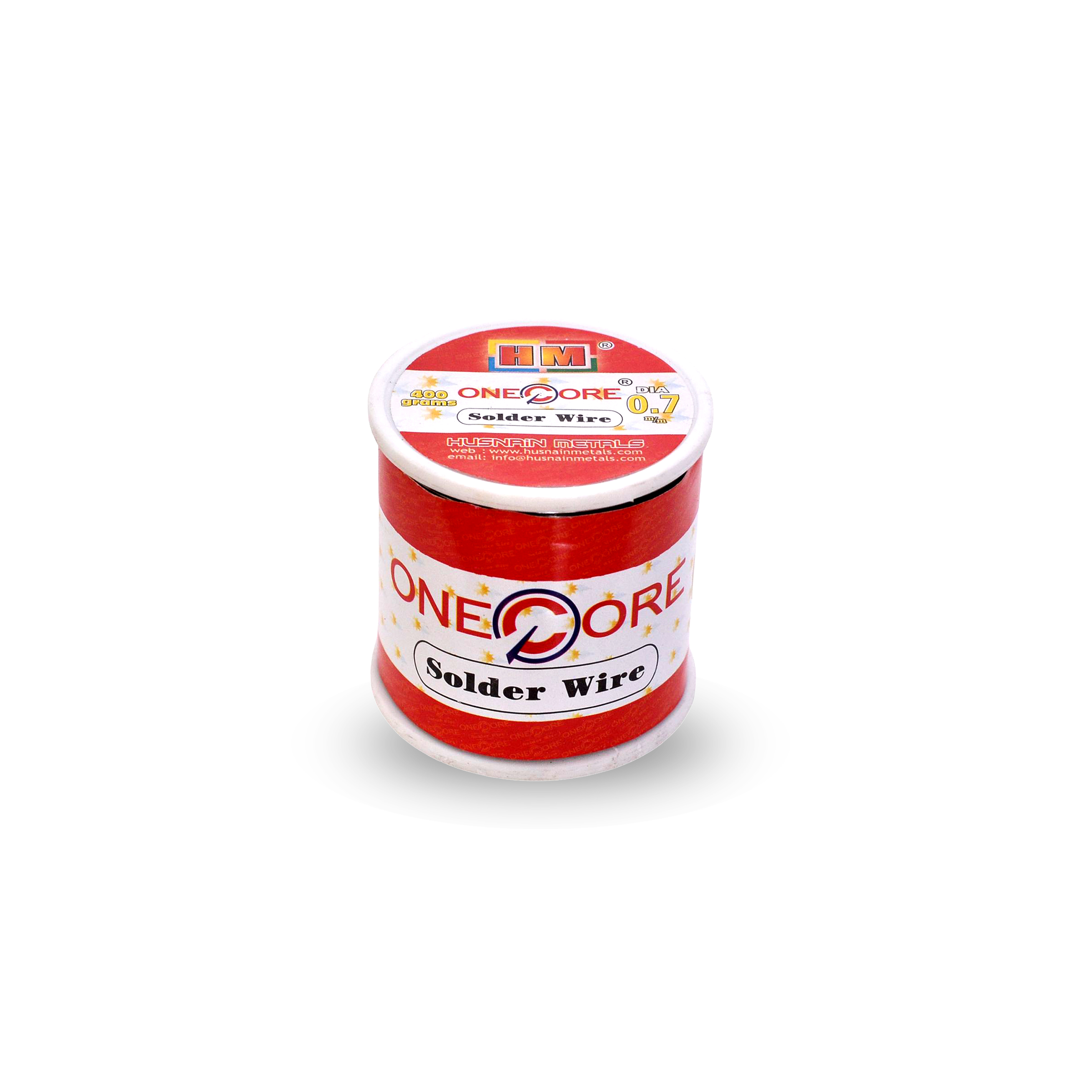
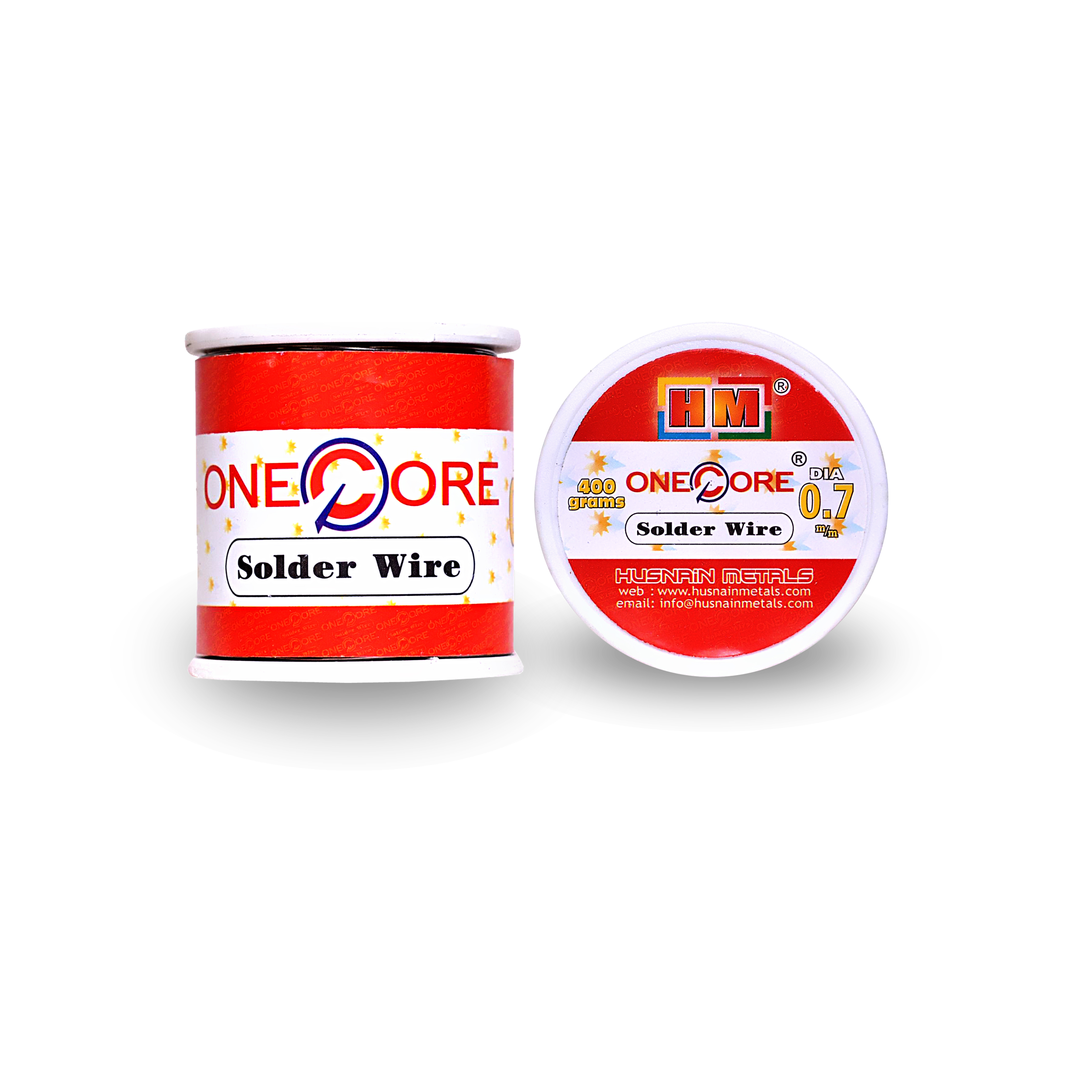
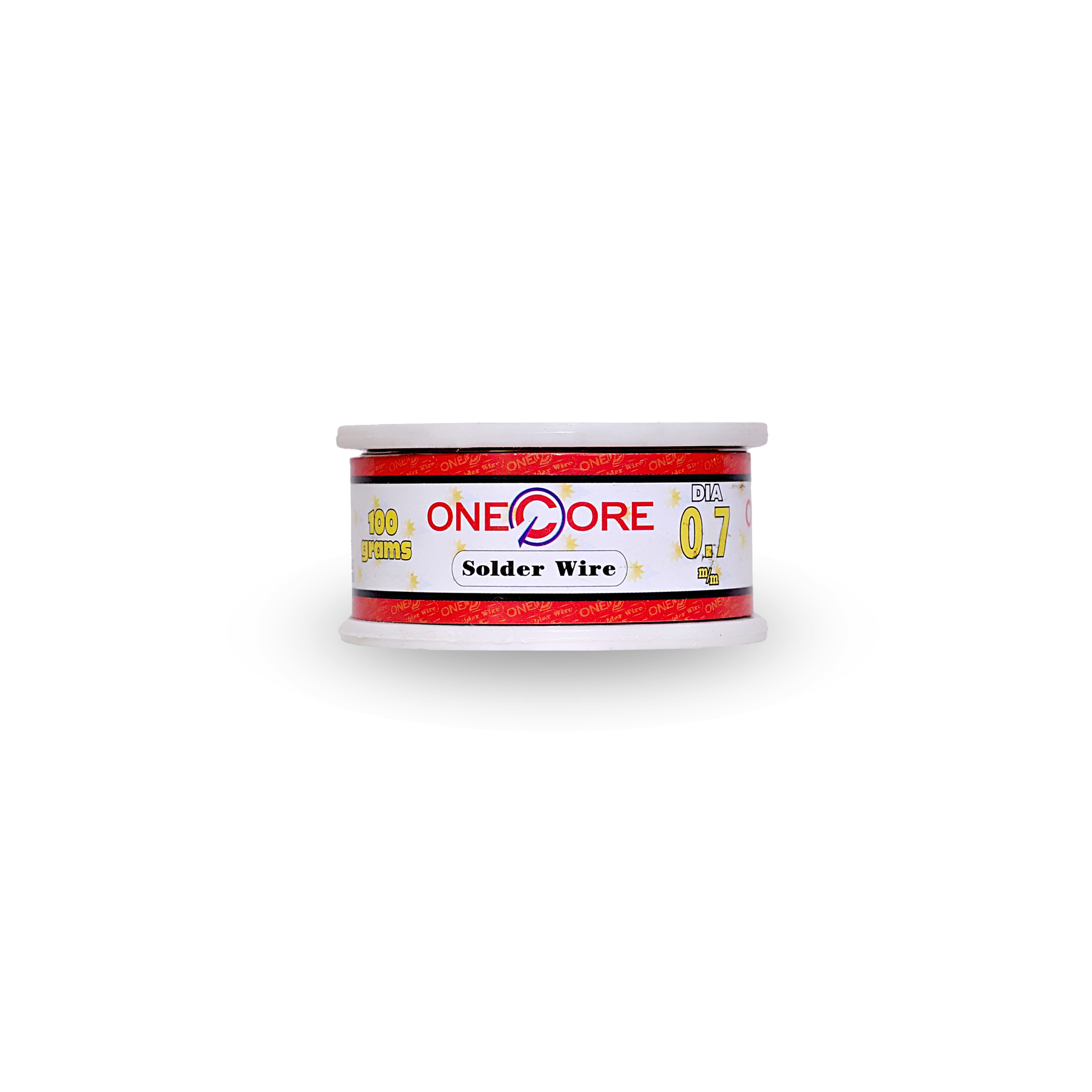
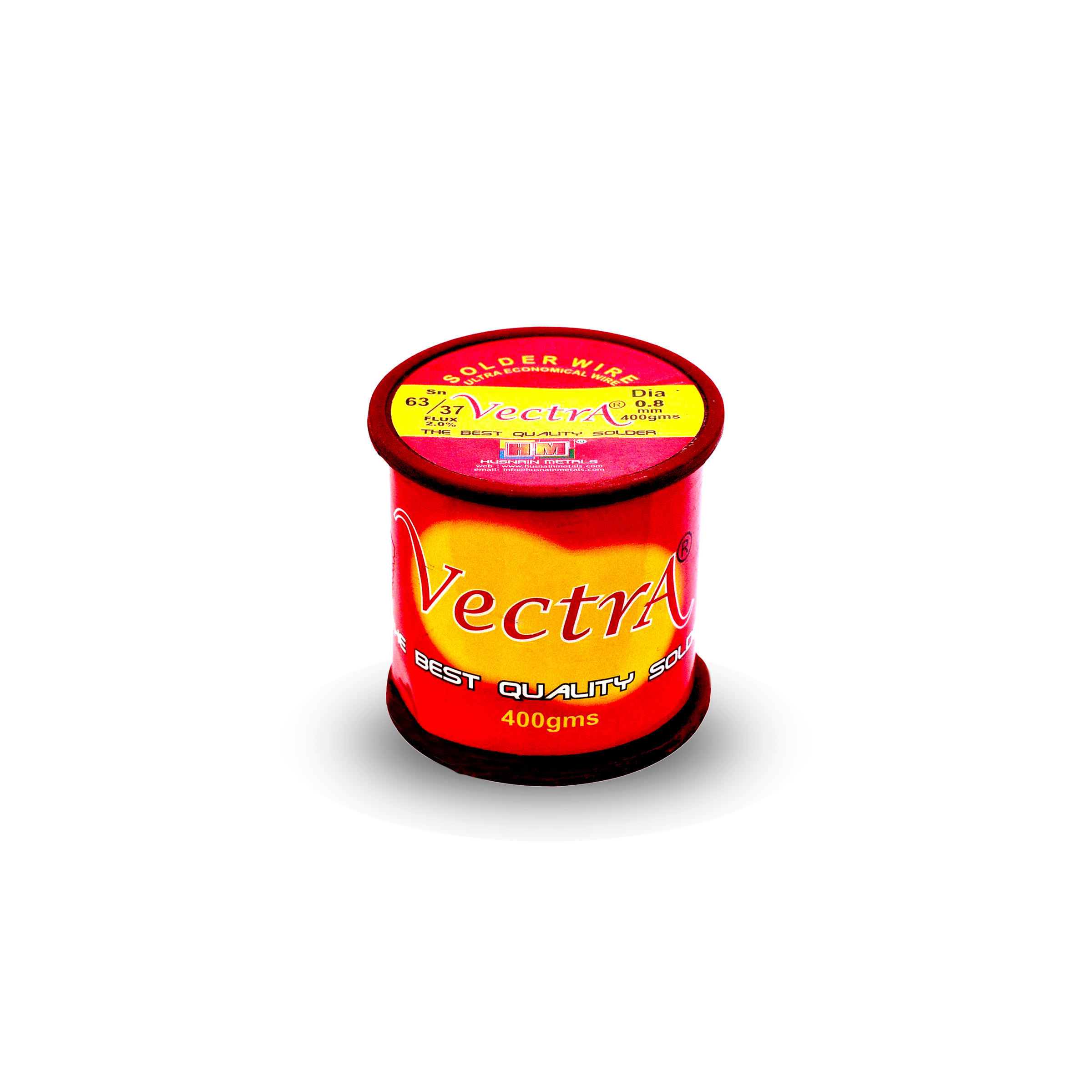
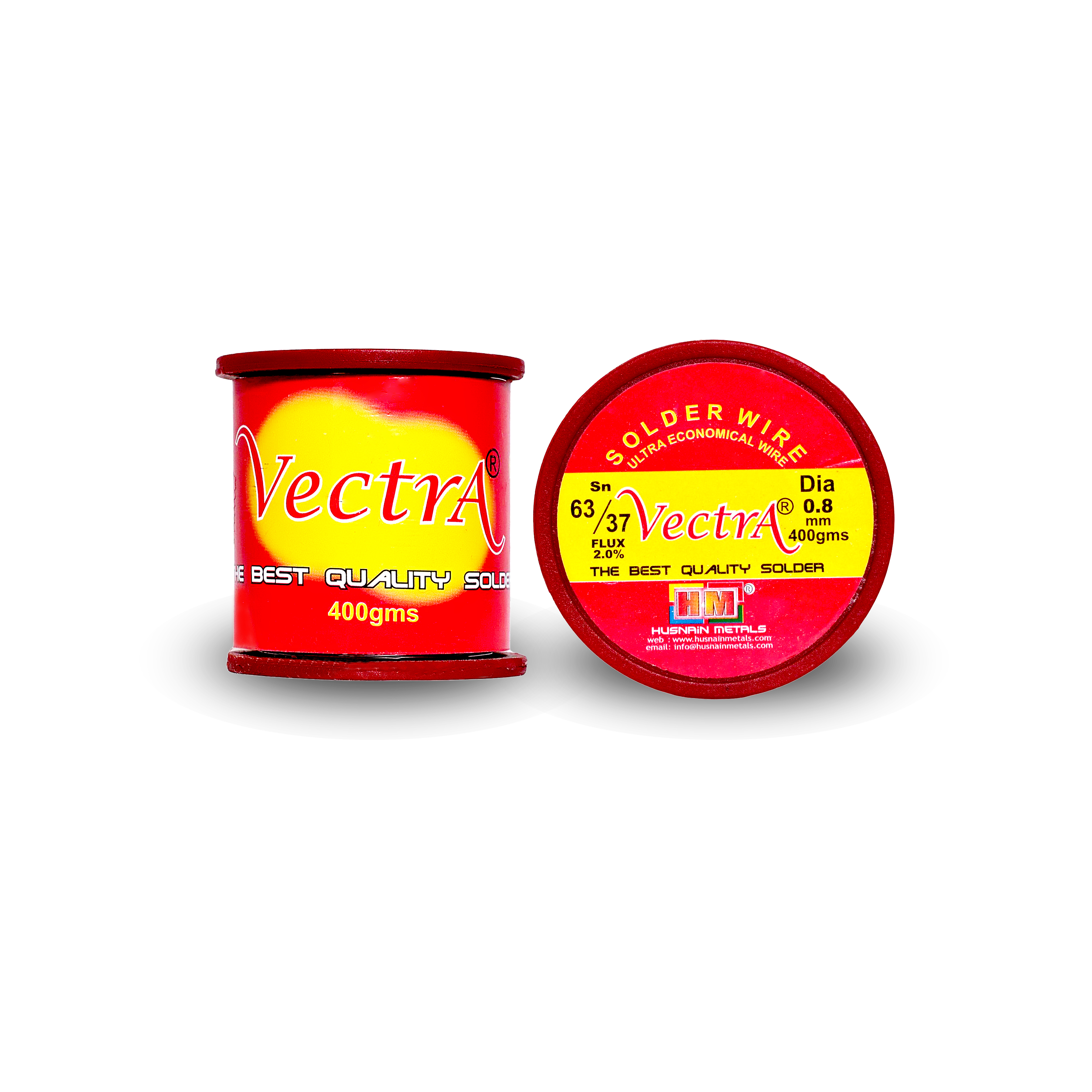
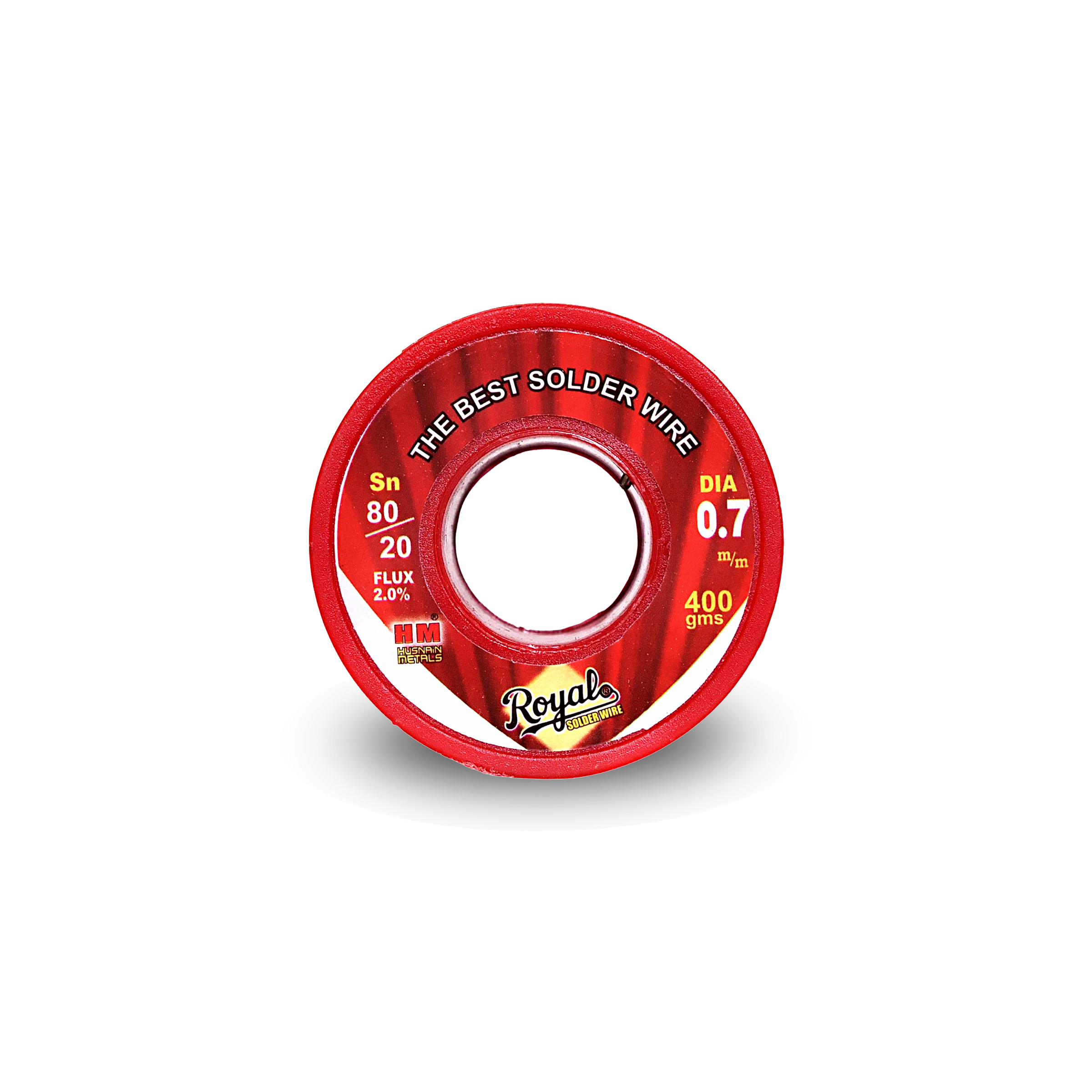
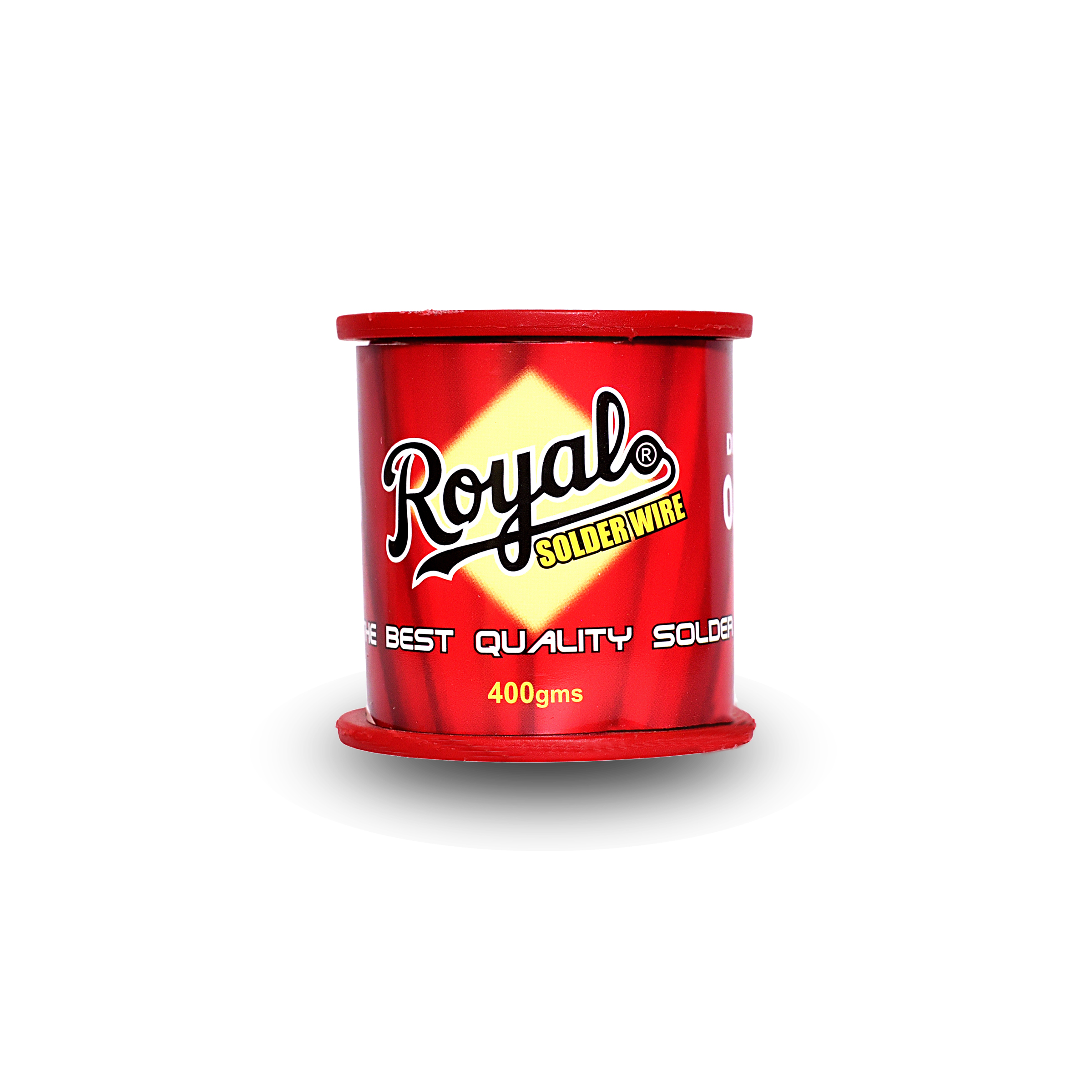
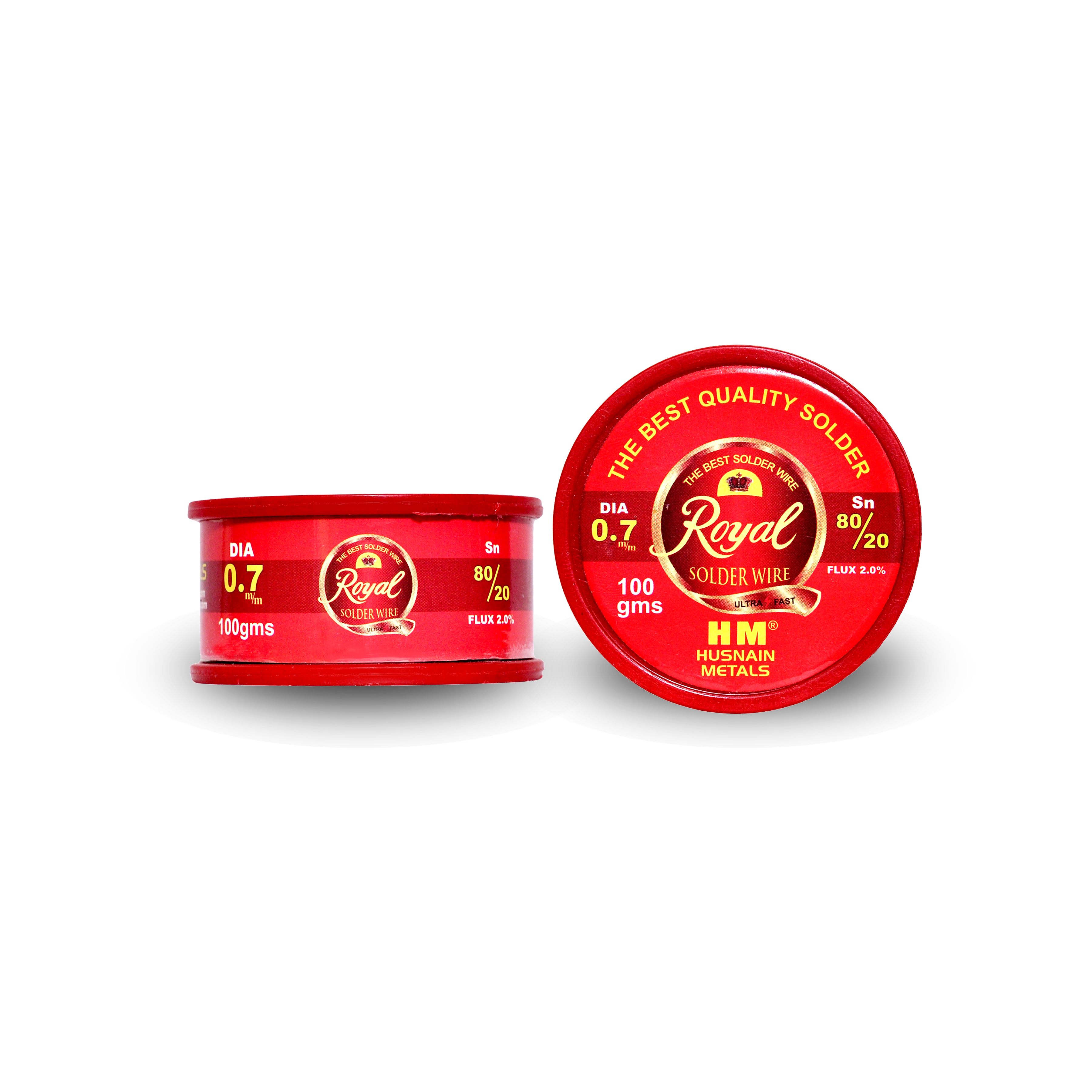
- Solder wire is an essential material used to join metal components together, especially in electrical and electronic applications.
- It is widely used in circuit board assembly, electrical repairs, and component installation, offering strong, conductive joints that last.
- In the electronics industry, solder wire is critical for soldering resistors, capacitors, LEDs, ICs, and connectors to PCBs.
- In plumbing and automotive applications, it is used to create leak-proof and electrically sound joints in wiring and metal fittings.
- With its low melting point and smooth flow, our high-quality solder wire ensures precision, clean joints, and reliable conductivity.
- Common industries using solder wire include electronics manufacturing, telecommunications, electrical panel assembly, HVAC systems, and metal fabrication workshops.
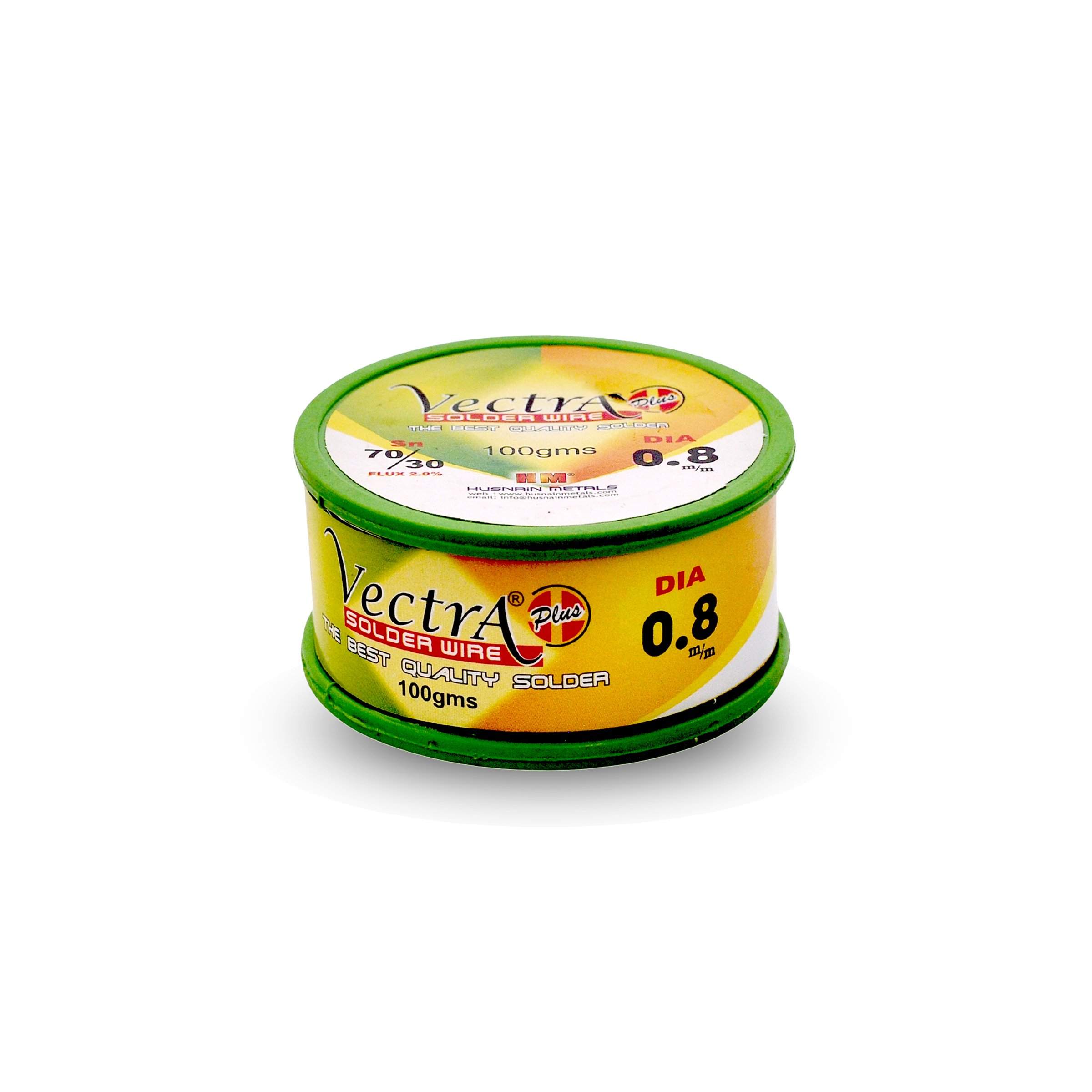
Tin Wire Description (General Use)
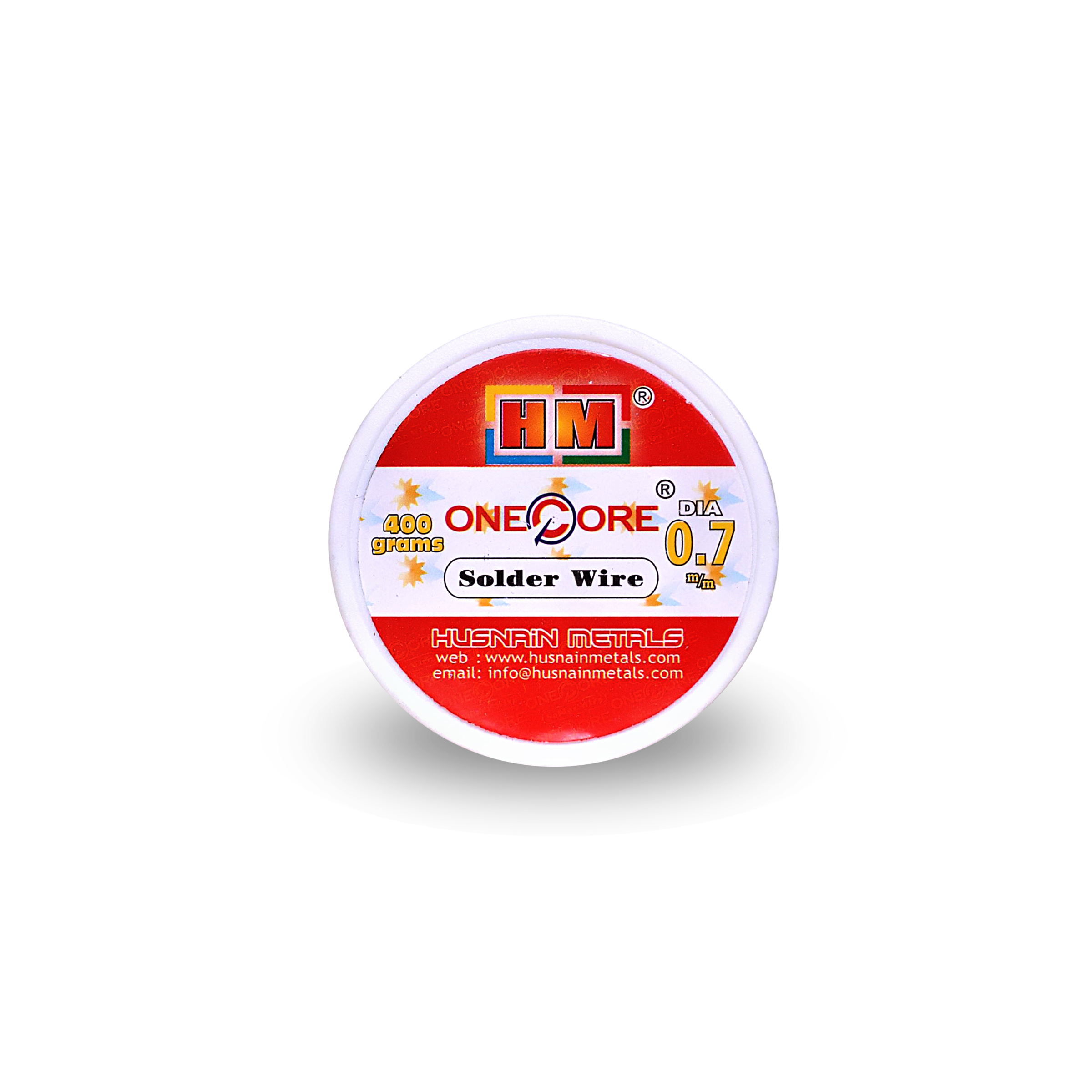
- Tin wire is a versatile and highly conductive metal wire commonly used in electrical, electronic, and industrial applications.
- Known for its excellent corrosion resistance and soldering properties, tin wire ensures strong, durable, and clean joints.
- It is often used in electronics for connecting components, circuit board assembly, and surface mounting processes.
- In the automotive and aerospace industries, tin wire plays a crucial role in wiring harnesses and electrical systems.
- Due to its non-toxic nature, tin wire is also used in food-grade equipment and medical devices.
- Industries using tin wire include electronics, telecommunications, HVAC, automotive, aerospace, and precision engineering.
Leads Wire Description (General Use)
- Leads wire is a type of conductive wire commonly used to establish electrical connections in a wide range of devices and circuits.
- It is essential in electronic components such as resistors, capacitors, and diodes, serving as terminals for soldering onto PCBs.
- Leads wire is flexible, durable, and available in different gauges and insulation types to suit various electrical applications.
- In industrial settings, it is used for internal wiring in control panels, machinery, and appliances.
- High-quality leads wire ensures safe, reliable current transmission with resistance to heat, moisture, and mechanical stress.
- Common industries using leads wire include electronics, automotive, electrical engineering, telecommunications, and manufacturing.
Zinc Wire Description (General Use)
- Zinc wire is a specialized metal wire known for its excellent corrosion resistance and is commonly used in protective coatings and galvanizing processes.
- It is widely used for thermal spraying to protect steel and iron structures from rust and environmental damage.
- Zinc wire is also used in the manufacturing of batteries, particularly in zinc-carbon and zinc-air batteries.
- In marine and industrial applications, zinc wire acts as a sacrificial anode to prevent corrosion in pipelines, ship hulls, and submerged structures.
- Its lightweight nature and resistance to oxidation make it ideal for long-lasting surface protection in harsh environments.
- Industries using zinc wire include construction, automotive, energy, marine engineering, and metal finishing.
Copper Wire Description (General Use)
- Copper wire is one of the most widely used conductive materials, valued for its excellent electrical and thermal conductivity.
- It is commonly used in electrical wiring, power generation, telecommunications, and electronic device manufacturing.
- Copper wire is highly flexible, corrosion-resistant, and capable of handling high electrical loads with minimal energy loss.
- It is an essential component in power cables, motors, transformers, grounding systems, and building infrastructure.
- Due to its efficiency and durability, copper wire supports both high- and low-voltage applications across a wide range of industries.
- Industries using copper wire include construction, automotive, renewable energy, aerospace, telecommunications, and consumer electronics.
Aluminium Wire Description (General Use)
- Aluminium wire is a lightweight, highly conductive metal wire commonly used in electrical power distribution and transmission systems.
- It offers a cost-effective alternative to copper wire, especially in applications where weight and budget are critical factors.
- Aluminium wire is widely used in overhead power lines, electrical panels, and service entrance conductors.
- Its corrosion resistance and ductility make it suitable for a variety of outdoor and high-voltage applications.
- Modern aluminium wire is often alloyed and coated to enhance conductivity and reduce oxidation during long-term use.
- Industries using aluminium wire include energy and power transmission, construction, automotive, aerospace, and renewable energy systems.
Copper-Clad Aluminium Wire Description (General Use)
- Copper-Clad Aluminium (CCA) wire is a composite conductor made by coating an aluminium core with a layer of copper, combining the benefits of both materials.
- It offers the conductivity of copper with the lightweight and cost advantages of aluminium, making it a popular alternative in many low-voltage applications.
- CCA wire is commonly used in electrical wiring, speaker cables, coaxial cables, and data communication systems.
- It provides good signal transmission and is suitable for use in environments where weight reduction and cost efficiency are important.
- While not as conductive as pure copper, CCA wire meets the performance needs of many residential and commercial wiring systems.
- Industries using CCA wire include consumer electronics, telecommunications, automotive, and residential electrical systems.